

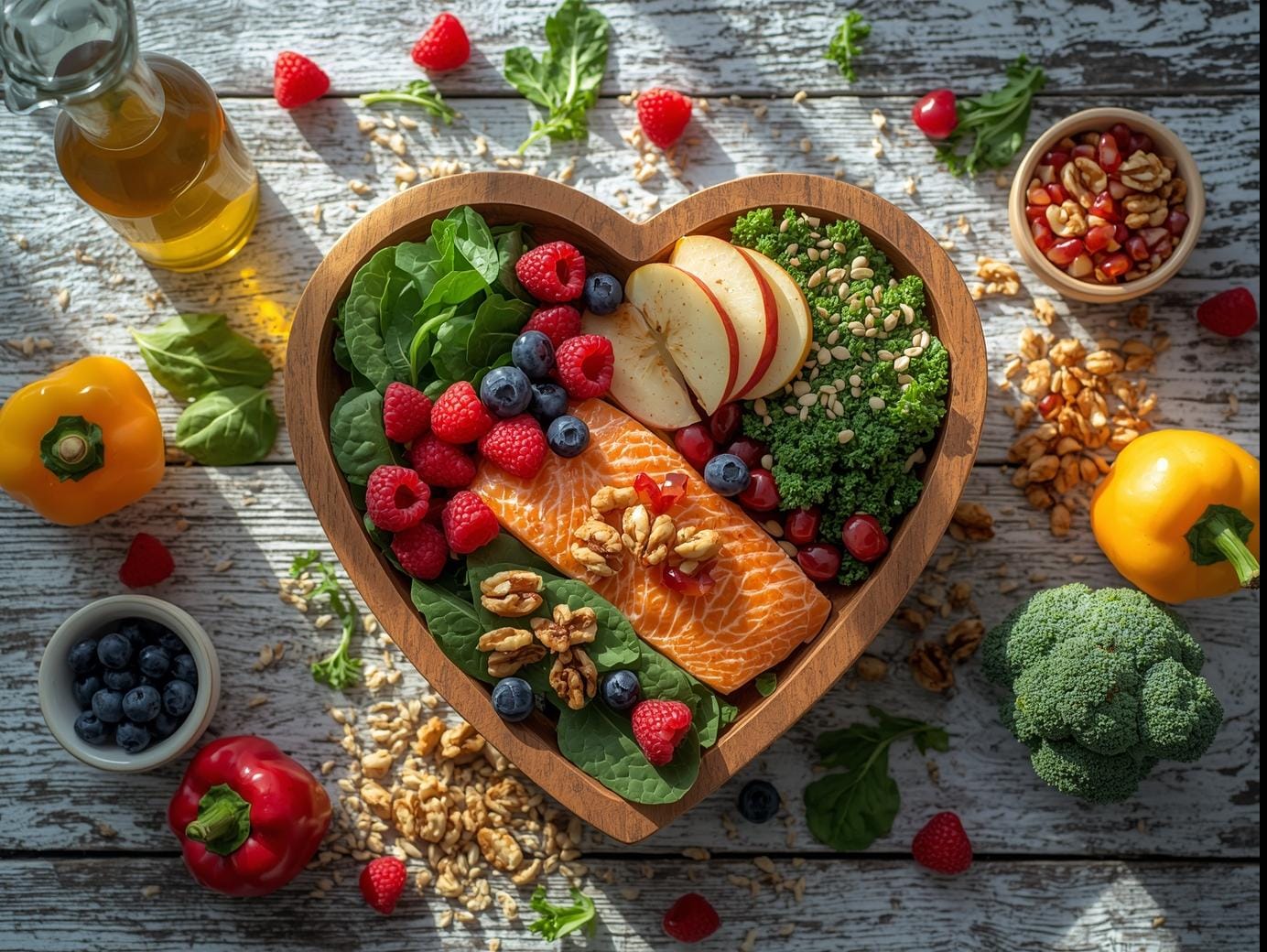
Take action toward better heart health with a heart-healthy diet. Discover essential foods, lifestyle habits, expert insights, and practical steps to prevent heart disease and boost vitality starting now.
Why Taking Action Toward Heart Health Matters Now
Heart health is not just a concern for the elderly—it’s a life-long commitment that begins today. Around the world, millions of people suffer from cardiovascular disease, high blood pressure, and strokes, often due to lifestyle choices that seemed harmless at first. The power of prevention through a heart-healthy diet is profound, and the time to act is now.
The Global Burden of Heart Disease
Cardiovascular disease remains the leading cause of death globally, claiming more lives each year than any other illness. According to estimates, over 17 million people die annually from heart-related conditions. This staggering number isn’t just a statistic; it represents families losing loved ones, communities struggling with rising healthcare costs, and individuals whose quality of life is forever altered.
Obesity, diabetes, hypertension, and high cholesterol—conditions often linked to poor dietary habits—play significant roles in this crisis. What we place on our plates either fuels resilience or weakens the most vital muscle in our body: the heart.
The Silent Risks of an Unhealthy Diet
Fast food, sugar-loaded beverages, fried snacks, and processed meats taste good in the moment, but their hidden consequences build up quietly. High sodium intake silently raises blood pressure. Trans fats clog arteries without warning. Excess sugar inflames blood vessels and accelerates plaque buildup. For many, the first sign of trouble comes in the form of a heart attack or stroke.
These silent risks remind us that every bite we take is either a step toward protection or a step toward danger.
Why Prevention is More Powerful than Cure
Medical advancements are remarkable—stents, bypass surgeries, cholesterol-lowering drugs, and innovative therapies save countless lives. Yet, prevention remains cheaper, safer, and more sustainable. By committing to a heart-healthy diet early, we can reduce the risk of heart disease by up to 80%, according to leading cardiologists. Prevention gives us more than just years of life—it grants us life in our years.
Maria’s Journey to a Stronger Heart
Stories inspire action more effectively than statistics. Let’s meet Maria, a 45-year-old mother of two, whose journey to better heart health mirrors what many people face.
The Wake-Up Call: A Family History of Heart Disease
Maria had always loved comfort food—cheesy pasta, fried chicken, and soda were staples at family dinners. But when her father suffered a major heart attack at age 60, she began to worry. A visit to her doctor confirmed elevated cholesterol, borderline high blood pressure, and early signs of prediabetes. Maria realized that if she didn’t make changes, she was heading down the same path.
Small Steps That Made a Big Impact
Maria didn’t overhaul her diet overnight. Instead, she took small, consistent steps:
Replacing soda with sparkling water and fresh fruit.
Swapping refined pasta for whole-grain options.
Cooking fish twice a week instead of red meat every night.
Packing fresh fruit and nuts for snacks instead of chips.
In just six months, Maria lost weight, reduced her cholesterol by 30 points, and felt more energetic than she had in years.
Lessons You Can Learn from Maria’s Success
Maria’s story shows that change doesn’t have to be extreme or painful. A heart-healthy diet is not a punishment—it’s an investment in vitality. The lesson? Start small, stay consistent, and your heart will thank you.
What Is a Heart-Healthy Diet?
Defining the Heart-Healthy Diet
A heart-healthy diet is an eating pattern designed to support cardiovascular wellness, maintain healthy blood vessels, and reduce the risk of conditions such as hypertension, atherosclerosis, and stroke. It emphasizes whole, nutrient-dense foods while minimizing harmful ones.
Key Principles of Eating for Heart Health
Balance: Focus on fruits, vegetables, lean proteins, whole grains, and healthy fats.
Moderation: Portion control prevents overloading the body.
Quality: Choose unprocessed, fresh ingredients over refined, packaged products.
Variety: Rotate foods to maximize nutrients and prevent monotony.
The Science Behind Food and Heart Disease
Research shows that diets rich in fiber, antioxidants, omega-3 fatty acids, and plant-based nutrients help lower cholesterol, stabilize blood sugar, and reduce inflammation—all vital factors in preventing heart disease. Meanwhile, excess sodium, trans fats, and added sugars fuel hypertension, arterial damage, and obesity.
Essential Foods for a Heart-Healthy Diet
Fruits and Vegetables: Nature’s Medicine
Rich in vitamins, minerals, antioxidants, and fiber, fruits and vegetables are cornerstones of cardiovascular protection. Berries lower blood pressure, leafy greens improve circulation, and citrus fruits strengthen blood vessels. Aim for at least 5–7 servings daily.
Whole Grains: Fuel for the Heart
Whole grains like brown rice, oats, quinoa, and barley provide soluble fiber, which reduces LDL (“bad” cholesterol). Unlike refined carbs, they release energy slowly, supporting steady blood sugar levels and reducing strain on the heart.
Lean Proteins and Omega-3 Rich Fish
Fish such as salmon, sardines, and mackerel are loaded with omega-3 fatty acids that lower triglycerides and prevent blood clots. Skinless poultry, beans, and legumes also provide lean protein without the saturated fat of red meats.
Nuts, Seeds, and Healthy Fats
Almonds, walnuts, chia seeds, flaxseeds, and avocados deliver heart-friendly monounsaturated and polyunsaturated fats. Just a small handful daily can reduce the risk of heart disease by improving cholesterol ratios.
Herbs and Spices That Heal
Turmeric, garlic, ginger, cinnamon, and cayenne pepper not only enhance flavor but also reduce inflammation, improve circulation, and support arterial health. Using these natural seasonings helps cut back on salt without sacrificing taste.
Foods and Habits That Harm Your Heart
While a heart-healthy diet emphasizes nourishing, protective foods, it’s equally important to recognize the culprits that silently harm cardiovascular function. Avoiding or minimizing these items is as crucial as embracing the right ones.
Processed Foods and Hidden Sodium
Canned soups, frozen meals, deli meats, and snack foods often contain hidden sodium levels far beyond what the body needs. Excess salt contributes to high blood pressure, a major risk factor for stroke and heart failure. The American Heart Association recommends limiting sodium to 1,500–2,300 mg daily, yet the average person consumes nearly double that.
Opting for fresh or minimally processed alternatives reduces sodium intake and helps keep blood pressure in check.
Sugary Drinks and Empty Calories
Soda, energy drinks, and sweetened teas are loaded with added sugars that spike blood sugar, increase triglycerides, and promote weight gain. Over time, these effects damage arteries and heighten the risk of type 2 diabetes—a strong contributor to heart disease. Even fruit juices marketed as “healthy” often contain as much sugar as soda. The better alternative? Infused water, herbal teas, or unsweetened beverages.
Excessive Alcohol and Smoking
Moderate alcohol consumption may offer some protective benefits, particularly red wine due to its antioxidants, but excessive drinking wreaks havoc. Heavy alcohol use raises blood pressure, triggers arrhythmias, and damages the heart muscle itself. Coupled with smoking, which narrows blood vessels and reduces oxygen supply, the combination becomes a ticking time bomb.
Quitting smoking and moderating alcohol are among the most powerful lifestyle changes anyone can make for heart health.
The Dangers of Trans Fats and Hydrogenated Oils
Partially hydrogenated oils, once common in margarine, baked goods, and fried fast food, are notorious for increasing LDL cholesterol while lowering HDL cholesterol. This double blow accelerates artery blockage. Though many countries have banned or reduced trans fats, they still lurk in some packaged foods. Reading labels carefully is key to avoiding them.
Lifestyle Habits That Support a Heart-Healthy Diet
Food alone isn’t the full picture—habits surrounding diet play an equally important role in strengthening cardiovascular health.
Mindful Eating and Portion Control
In a world of supersized meals, portion control is a lifesaver. Eating slowly, savoring flavors, and listening to hunger cues prevent overeating and reduce strain on digestion. Mindful eating also helps manage emotional triggers like stress or boredom, which often lead to unhealthy snacking.
Hydration and Its Role in Heart Health
Water is essential for circulation, nutrient delivery, and maintaining healthy blood viscosity. Dehydration thickens the blood, forcing the heart to work harder. Drinking 8–10 glasses of water daily, more in hot climates or during exercise, keeps the cardiovascular system running smoothly.
The Link Between Exercise and Diet
A heart-healthy diet works best when paired with regular physical activity. Exercise strengthens the heart muscle, improves cholesterol balance, reduces blood pressure, and enhances insulin sensitivity. Even brisk walking for 30 minutes daily amplifies the benefits of healthy eating.
Sleep, Stress, and Heart Health
Sleep deprivation disrupts hormones that regulate appetite and stress, leading to overeating and increased inflammation. Chronic stress, in turn, elevates cortisol, raising blood pressure and encouraging plaque buildup. Practices like yoga, meditation, deep breathing, or even simple hobbies can mitigate stress and support restful sleep.
Comparing Top Heart-Healthy Diet Plans
Several dietary patterns consistently emerge in scientific studies as the gold standard for heart health. Let’s compare the most prominent ones.
The Mediterranean Diet
Inspired by traditional eating habits in Greece and Italy, the Mediterranean diet emphasizes olive oil, fish, legumes, vegetables, and moderate wine consumption. Studies show it reduces heart attacks, lowers cholesterol, and improves longevity.
The DASH Diet
The Dietary Approaches to Stop Hypertension (DASH) focuses on reducing sodium while boosting potassium, magnesium, and calcium through fruits, vegetables, lean proteins, and whole grains. It’s especially effective for managing blood pressure.
Plant-Based Diets
Vegetarian and vegan diets eliminate or reduce animal products, emphasizing plant-based proteins, legumes, nuts, seeds, and vegetables. When well-planned, these diets reduce cholesterol, inflammation, and body weight—all protective factors against heart disease.
Paleo vs. Heart-Healthy Eating
The Paleo diet promotes lean meats, fish, nuts, fruits, and vegetables while avoiding grains, dairy, and processed foods. While it emphasizes natural foods, its high intake of animal fats can be concerning if not balanced with heart-friendly plant-based foods. Compared to more established heart-healthy diets, Paleo requires careful planning to align with cardiovascular wellness.
Seasonal Burst: Eating for Heart Health Throughout the Year
Seasonal eating ensures freshness, variety, and nutrient diversity—all vital for cardiovascular support.
Winter Superfoods for the Heart
Citrus fruits, root vegetables, and cruciferous veggies like broccoli and kale thrive in winter. They provide vitamin C, fiber, and antioxidants that strengthen immunity and heart function during cold months.
Spring Detox Foods
Spring brings tender greens, asparagus, strawberries, and peas. These foods cleanse the body, support circulation, and aid in lowering cholesterol after winter indulgence.
Summer Hydrating Foods
Watermelon, cucumbers, berries, and tomatoes dominate summer, offering hydration, potassium, and lycopene. These nutrients reduce inflammation and regulate blood pressure.
Fall Harvest for Cardiovascular Wellness
Pumpkins, squash, apples, and pomegranates are autumn treasures rich in fiber and antioxidants. Their natural sweetness satisfies cravings while supporting stable blood sugar.
Practical Steps to Take Action Today
Knowledge is powerful, but action creates transformation. Here’s how you can start implementing a heart-healthy diet immediately.
Meal Planning and Smart Grocery Shopping
Create a weekly meal plan emphasizing whole foods.
Shop the perimeter of the grocery store (fresh produce, lean proteins, dairy alternatives).
Avoid ultra-processed snack aisles.
Read labels to watch sodium, sugar, and trans fats.
Easy Heart-Healthy Recipes to Start With
Oatmeal with berries and flaxseeds for breakfast.
Quinoa salad with chickpeas, cucumbers, and olive oil for lunch.
Grilled salmon with steamed broccoli and brown rice for dinner.
Apple slices with almond butter for a satisfying snack.
Dining Out Without Sabotaging Your Heart
Choose grilled, baked, or steamed options over fried.
Ask for dressings and sauces on the side.
Opt for water or unsweetened drinks instead of soda.
Split large portions to control calorie intake.
Doctors, Nutritionists, and Research Studies
What Cardiologists Recommend
Cardiologists consistently recommend diets rich in fiber, omega-3 fatty acids, and antioxidants while minimizing sodium, added sugars, and unhealthy fats. They stress that small, consistent changes create long-term benefits.
Latest Research on Nutrition and Heart Disease
Recent studies confirm that diets emphasizing plant-based foods, nuts, and fish significantly reduce cardiovascular risks. Even reducing red meat intake by just one serving per week has measurable benefits.
Trusted Resources for Heart Health
For reliable information, consult:
American Heart Association (AHA)
World Health Organization (WHO)
Harvard School of Public Health
These institutions provide science-backed guidance on preventing heart disease through diet.
Frequently Asked Questions (FAQs)
What is the fastest way to improve heart health through diet?
Start by reducing sodium and processed foods while increasing fruits, vegetables, and whole grains. Even small changes yield fast results.
Are eggs good or bad for heart health?
Moderation is key. Eggs provide protein and nutrients but should be balanced within a varied diet, especially for those watching cholesterol.
How much salt is safe for the heart daily?
Most experts recommend 1,500–2,300 mg daily, though lower intake is ideal for those with hypertension.
Can a heart-healthy diet reverse heart disease?
Yes, in some cases. Studies show that lifestyle interventions, including diet, can reverse plaque buildup and improve heart function.
Is coffee good for the heart?
Moderate coffee consumption (1–3 cups daily) may reduce the risk of heart disease, but excessive caffeine can raise blood pressure.
What’s the best fruit for heart health?
Berries—especially blueberries and strawberries—are loaded with antioxidants and fiber, making them top choices.
Conclusion: Your Roadmap to a Healthier Heart Starts Today
The journey to better heart health is not about restriction—it’s about empowerment. Every meal is an opportunity to nurture your heart, prevent disease, and add vitality to your life. By embracing a heart-healthy diet, supported by lifestyle habits like exercise, stress management, and hydration, you’re building a foundation for decades of wellness.
Don’t wait for a wake-up call. Take action today—because your heart deserves nothing less.


What i don’t realize is actually how you’re not really much more well-liked than you may be right now. You are very intelligent. You realize therefore considerably relating to this subject, made me personally consider it from a lot of varied angles. Its like men and women aren’t fascinated unless it is one thing to do with Lady gaga! Your own stuffs nice. Always maintain it up!
Usually I don’t read article on blogs, but I would like to say that this write-up very pressured me to try and do so! Your writing style has been surprised me. Thank you, very great article.