

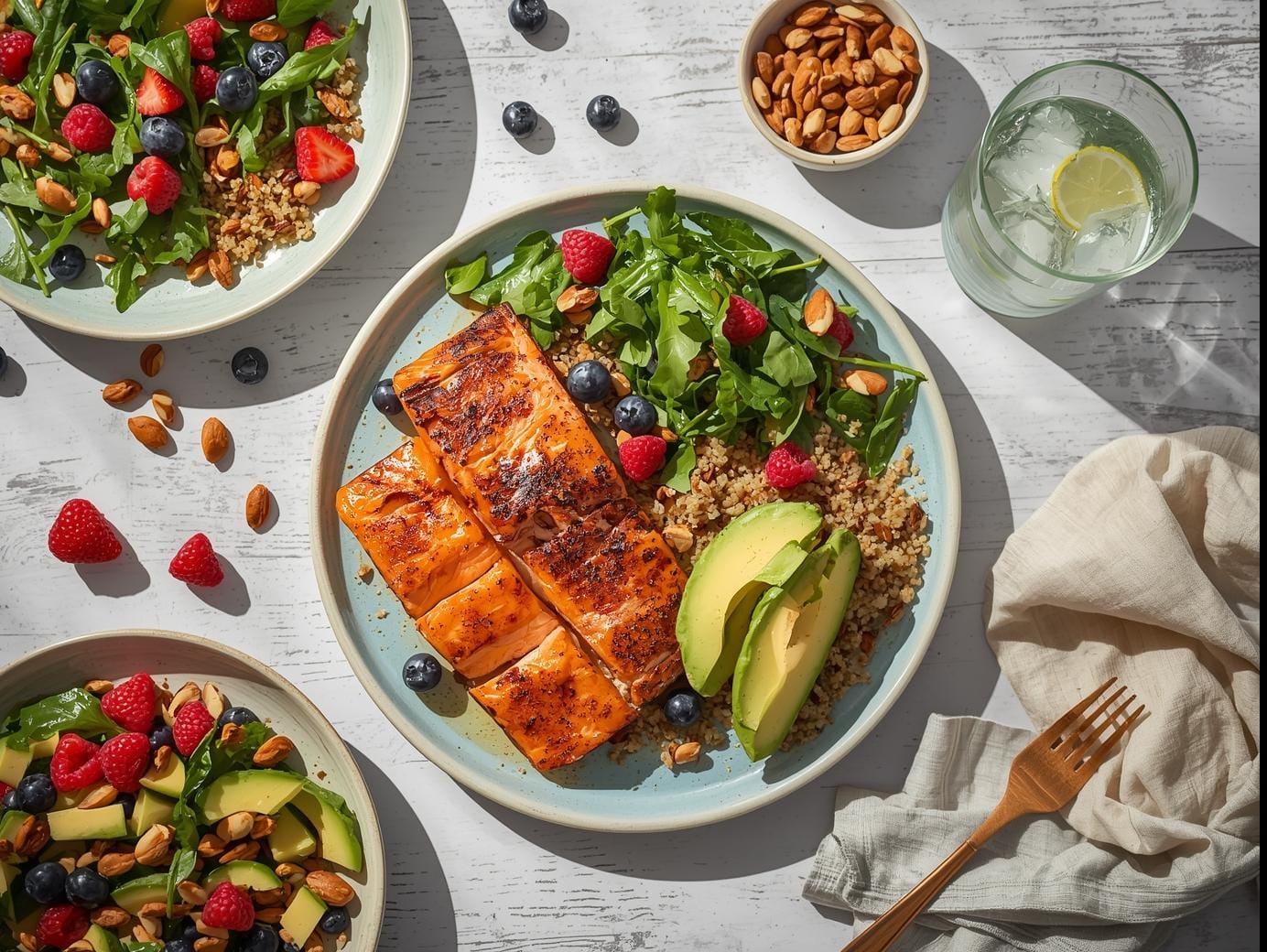
Discover the ultimate heart healthy meal plan with a 7-day menu, recipes, shopping lists, and expert tips to lower cholesterol, blood pressure & boost heart health.
Introduction
Heart disease continues to be the leading cause of death worldwide, taking nearly 18 million lives every year, according to the World Health Organization (2024). While genetics, age, and family history play undeniable roles, research confirms that lifestyle factors—especially diet—account for the majority of preventable cardiovascular disease.
A heart healthy meal plan is not simply about following another diet trend. It is a long-term, scientifically grounded approach to eating that emphasizes nutrient-dense foods, minimizes harmful fats and excess sodium, and balances essential nutrients that support cardiovascular function. Unlike restrictive fads that demonize whole food groups, this eating style focuses on balance, sustainability, and evidence-based nutrition.
This article provides the ultimate guide to building and following a heart healthy meal plan. Using research-backed recommendations from the American Heart Association (AHA), National Heart, Lung, and Blood Institute (NHLBI), and international dietary guidelines, we’ll explore:
The core principles of a heart healthy diet
A 7-day meal plan with recipes and nutrition breakdowns
Seasonal variations to keep meals fresh all year
Targeted meal clusters for specific conditions like hypertension and diabetes
Expert-approved shopping lists, meal prep strategies, and dining-out tips
Real-life success stories and myth-busting insights
By the end, you’ll have a clear roadmap to protecting your heart through food, one meal at a time.
Why Heart-Healthy Eating Matters Right Now
The Rising Global Burden of Heart Disease
Cardiovascular disease (CVD) is not just a Western problem anymore. It now affects low- and middle-income countries disproportionately, accounting for nearly 80% of global CVD deaths. In the United States, the CDC estimates 1 in every 5 deaths is caused by heart disease. In South Asia, including Bangladesh and India, CVD strikes earlier, often in people’s 40s and 50s, making prevention even more urgent.
How Diet Shapes Cardiovascular Health
Your cardiovascular system functions like an engine, and food is its fuel. Poor-quality fuel leads to breakdowns. The way we eat directly impacts cholesterol levels, blood pressure, blood sugar, inflammation, and artery health.
High sodium intake raises blood pressure.
Trans fats and excess saturated fats clog arteries by raising LDL (“bad”) cholesterol.
Sugar and refined carbs drive obesity and triglycerides.
Fiber-rich foods lower cholesterol and improve circulation.
Omega-3 fatty acids reduce inflammation and prevent blood clots.
Studies show that up to 80% of premature heart disease and stroke can be prevented through diet and lifestyle.
What Makes a Meal Plan “Heart Healthy”?
A true heart healthy meal plan includes:
Fruits and vegetables in abundance
Whole grains over refined carbs
Lean proteins such as fish, beans, lentils, poultry
Healthy fats (olive oil, nuts, seeds, avocado)
Reduced sodium and added sugars
Portion control for calorie balance
Sustainable and enjoyable meals
Core Principles of a Heart Healthy Meal Plan
1. Balance of Macronutrients
Your heart thrives on balance:
Carbohydrates (45–55% of calories): Choose complex carbs like quinoa, oats, sweet potatoes, and brown rice.
Proteins (15–25%): Prioritize plant-based proteins and lean animal sources like fish or skinless chicken.
Fats (25–35%): Opt for unsaturated fats (avocado, nuts, olive oil) while minimizing saturated and trans fats.
2. Role of Fiber and Whole Foods
Fiber-rich foods like oats, beans, apples, and leafy greens bind cholesterol in the gut and lower LDL. Aim for at least 25–35 grams of fiber daily.
3. Limiting Sodium, Sugar, and Processed Foods
Excess salt contributes to hypertension, while refined sugar drives inflammation. A heart healthy meal plan keeps sodium below 1,500–2,000 mg per day and added sugars under 25 grams.
4. Heart-Boosting Micronutrients
Potassium: Lowers blood pressure (bananas, spinach, sweet potatoes).
Magnesium: Supports rhythm regulation (nuts, seeds, whole grains).
Omega-3 fatty acids: Reduce inflammation (salmon, flaxseeds, walnuts).
Antioxidants (Vitamins C, E, polyphenols): Protect blood vessels (berries, citrus, dark chocolate in moderation).
7-Day Heart Healthy Meal Plan (With Recipes & Nutrition Breakdown)
Day 1: Mediterranean-Inspired
Breakfast: Greek yogurt with blueberries, chia seeds, and walnuts
Lunch: Quinoa salad with chickpeas, cucumber, tomato, and olive oil dressing
Snack: Carrot sticks with hummus
Dinner: Baked salmon with roasted Brussels sprouts and sweet potato
Day 2: Plant-Based Focus
Breakfast: Overnight oats with almond butter and strawberries
Lunch: Lentil soup with whole-grain bread
Snack: Apple slices with peanut butter
Dinner: Black bean tacos with avocado and salsa
Day 3: Low-Sodium Balance
Breakfast: Spinach omelet with whole-wheat toast
Lunch: Grilled chicken and brown rice bowl with steamed broccoli
Snack: Unsalted mixed nuts
Dinner: Baked cod with quinoa and roasted carrots
Day 4: High-Fiber Day
Breakfast: Steel-cut oats with flaxseeds, banana, and cinnamon
Lunch: Barley salad with roasted vegetables and feta cheese
Snack: Pear with a handful of walnuts
Dinner: Lentil curry with brown rice
Day 5: Lean Protein Power
Breakfast: Smoothie with spinach, protein powder, and flaxseeds
Lunch: Turkey wrap with avocado, spinach, and whole-wheat tortilla
Snack: Greek yogurt with raspberries
Dinner: Grilled shrimp with wild rice and asparagus
Day 6: Diabetes-Friendly
Breakfast: Veggie scramble with mushrooms, peppers, and onions
Lunch: Grilled salmon with kale salad and pumpkin seeds
Snack: Celery sticks with almond butter
Dinner: Tofu stir-fry with broccoli and soba noodles
Day 7: Flex Day – Balanced Indulgence
Breakfast: Avocado toast on whole-grain bread with poached egg
Lunch: Chicken and farro salad with lemon-tahini dressing
Snack: Dark chocolate (70%+) with almonds
Dinner: Grilled vegetable lasagna with side salad
Eating Heart Healthy All Year
Spring
Fresh greens, peas, asparagus, strawberries → light salads, smoothies.
Summer
Watermelon, cucumbers, tomatoes, fresh fish → hydrating and cooling dishes.
Fall
Pumpkin, squash, apples, lentils → hearty soups, roasted meals.
Winter
Citrus fruits, root vegetables, oats, beans → warming stews and casseroles.
Heart Healthy Meal Clusters (Targeted Plans)
For Weight Loss: High-fiber, lean protein, calorie control.
For High Blood Pressure: DASH diet principles, low sodium.
For Diabetes: Balanced carbs, low glycemic foods.
For Busy Professionals: Quick-prep bowls, smoothies, batch-cooked proteins.
For Families & Kids: Kid-friendly whole-grain pastas, smoothies, baked chicken tenders.
Expert-Approved Shopping List & Pantry Staples
Whole Grains
Brown rice, oats, barley, quinoa, whole-wheat pasta.
Fruits & Vegetables
Berries, apples, oranges, leafy greens, cruciferous veggies.
Proteins
Beans, lentils, chickpeas, salmon, poultry, tofu.
Healthy Fats
Olive oil, avocado, nuts, seeds.
Flavor Boosters
Garlic, turmeric, cinnamon, lemon, herbs instead of salt.
Practical Tips for Sticking to a Heart Healthy Meal Plan
Portion Control: Use smaller plates, fill half with veggies.
Meal Prepping: Cook grains and proteins in batches.
Budget-Friendly: Buy frozen veggies, beans, and seasonal produce.
Dining Out: Choose grilled over fried, swap fries for salad, ask for dressing on the side.
Real-Life Success
Case Study 1: A 52-year-old man reversed hypertension by switching to the DASH diet.
Case Study 2: A family lowered their cholesterol together by adopting the Mediterranean diet.
Case Study 3: A corporate manager improved energy and lowered triglycerides with weekend meal prep.
Myths & Misconceptions
“All fats are bad” → False. Healthy fats are essential.
“Carbs hurt your heart” → Only refined carbs do; whole grains protect.
“Supplements can replace food” → No pill can mimic whole-food nutrients.
Scientific Backing & Guidelines
American Heart Association (AHA): Recommends Mediterranean & DASH diets.
DASH Diet: Proven to lower blood pressure.
Mediterranean Diet: Linked to reduced heart attack and stroke risk.
Final Thoughts: Taking Action Toward a Stronger Heart
Your heart healthy meal plan doesn’t have to be complicated or restrictive. Start small—add more vegetables, swap white bread for whole-grain, or replace butter with olive oil. These small steps add up.
Heart disease prevention is not about a single meal; it’s about consistent choices over months and years. By embracing nutrient-rich foods, portion control, and sustainable habits, you take powerful steps toward protecting your most vital organ.
The journey toward heart health begins on your plate. Start today, one meal at a time.


Throughout the great scheme of things you’ll secure a B+ for effort. Exactly where you actually lost me personally ended up being on all the facts. You know, people say, details make or break the argument.. And it couldn’t be much more true right here. Having said that, permit me inform you what exactly did give good results. Your authoring is actually extremely engaging and this is probably why I am taking an effort to opine. I do not make it a regular habit of doing that. Secondly, even though I can certainly see a jumps in reason you come up with, I am not necessarily sure of just how you seem to unite your details which in turn produce the actual final result. For the moment I will yield to your issue but trust in the foreseeable future you link the facts much better.
I’m not sure why but this website is loading very slow for me. Is anyone else having this problem or is it a problem on my end? I’ll check back later and see if the problem still exists.
I like this web blog very much, Its a really nice berth to read and get information.