

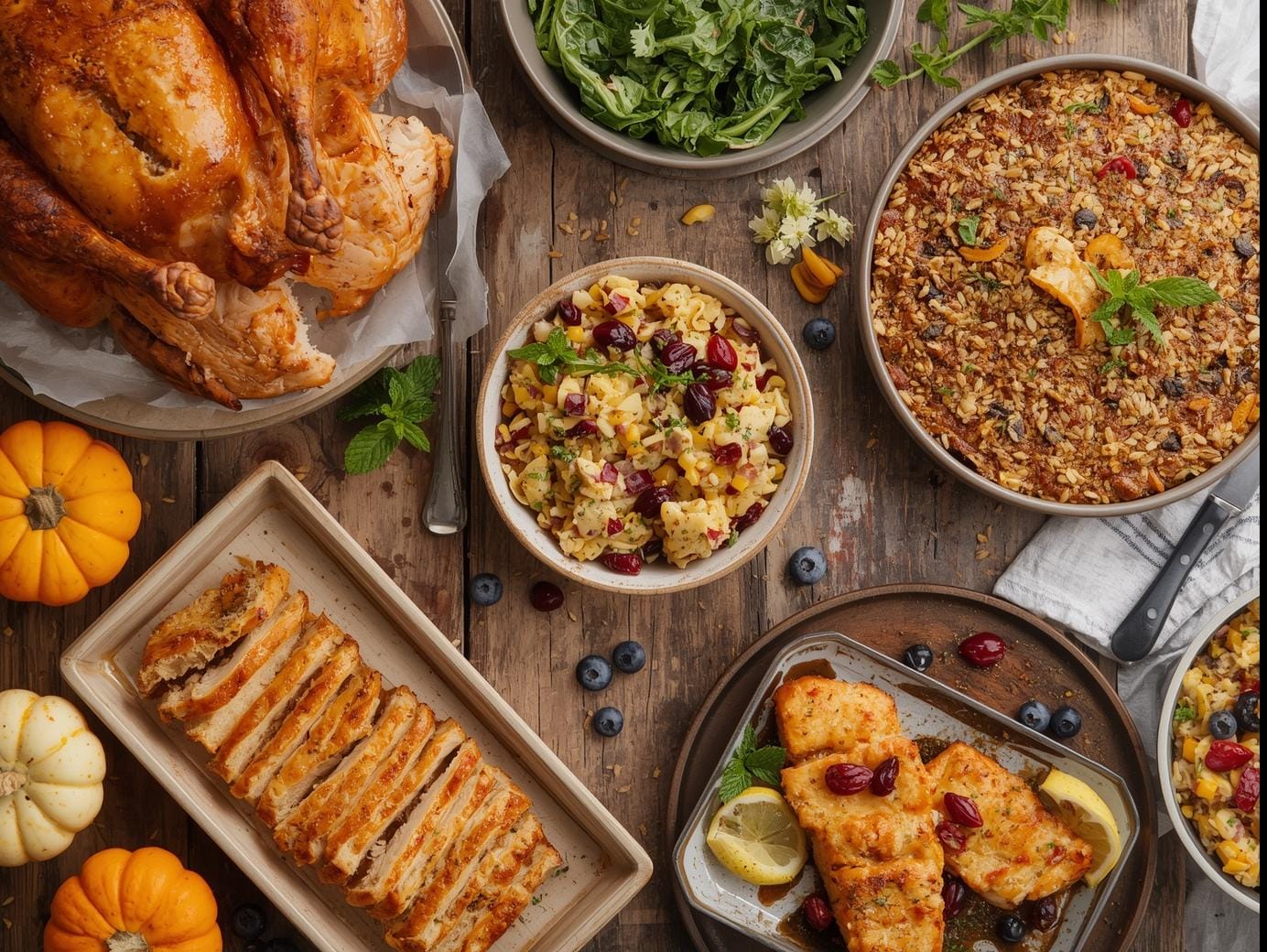
Discover healthy traditional American food with nutritious recipes, regional classics, and modern twists. Celebrate heritage while eating well.
Introduction – The Story of Traditional American Food and Health
Food has always been at the heart of the American story. From the Three Sisters crops cultivated by Indigenous peoples—corn, beans, and squash—to the hearty breads of European settlers and the soulful dishes of African American culinary traditions, American cuisine is a fusion of cultures, climates, and histories.
Yet, when people think of “traditional American food,” images of greasy fast food or oversized portions often come to mind. This stereotype overlooks a rich culinary heritage filled with wholesome ingredients, seasonal cooking, and family-centered meals.
Today, health-conscious Americans are rediscovering the nutritious side of traditional cuisine. By combining heritage recipes with modern nutritional science, we can enjoy the best of both worlds: comfort food that is both delicious and good for the body.
In this guide, we’ll explore the healthier side of traditional American food—from regional classics to holiday feasts—and learn how to adapt them for a modern, balanced lifestyle.
What Defines “Traditional American Food”?
Native American Foundations
Long before European settlers arrived, Native Americans cultivated a diet based on seasonal crops and natural resources. The “Three Sisters”—corn, beans, and squash—formed the backbone of Indigenous diets. Wild rice, cranberries, blueberries, game meats, and freshwater fish added diversity and nutrition.
These foods weren’t just sustenance; they were deeply tied to cultural traditions and seasonal cycles.
Immigrant Contributions
As immigrants arrived, they brought their foodways with them. Germans introduced sausages and breads, Italians contributed pasta and tomatoes, Africans brought okra and rice traditions, and Mexicans shared corn-based dishes.
Over centuries, these influences fused into regional American cuisines.
Regional Differences
New England: seafood chowders, baked beans, brown bread.
The South: collard greens, black-eyed peas, cornbread.
Midwest: farm-fresh grains, meats, and casseroles.
West Coast: salmon, citrus fruits, fresh vegetables.
Each region balanced taste with nutrition, often relying on local, seasonal produce.
The Healthier Side of Traditional American Cuisine
Despite modern associations with fast food, traditional American meals were often plant-forward, seasonal, and portion-controlled.
Wholesome Staples
Whole grains: cornmeal, wild rice, oats, barley.
Lean proteins: turkey, venison, freshwater fish, beans.
Vegetables: squash, sweet potatoes, leafy greens.
Fruits: apples, cranberries, blueberries.
Cooking Methods
Before the deep fryer, Americans relied on:
Roasting (turkey, root vegetables).
Grilling (fish, corn).
Slow-cooking (stews, soups).
These methods preserved nutrients and emphasized flavor without excess fat or sodium.
Healthy Versions of Iconic American Dishes
Turkey and the Thanksgiving Table
Turkey has been central to American cuisine for centuries. Naturally lean and high in protein, it remains one of the healthiest traditional meats.
Health tip: Choose roasted turkey over fried versions, and pair it with seasonal vegetables and whole-grain stuffing.
Apple Pie with a Wholesome Twist
The classic apple pie can be made healthier by:
Using whole wheat crust.
Reducing added sugar.
Adding cinnamon for flavor and blood sugar regulation.
Cornbread and Whole Grain Alternatives
Traditional cornbread often uses refined flour and sugar. A healthier twist includes:
Whole cornmeal.
Greek yogurt for moisture.
Honey instead of refined sugar.
BBQ Traditions Made Heart-Healthy
Barbecue is iconic, but heavy sauces and fatty cuts can be unhealthy. Healthier swaps include:
Lean cuts of chicken or turkey.
Homemade sauces with less sugar.
Grilled vegetables as sides.
Regional Healthy American Foods
New England: Clam Chowder Lightened Up
Instead of heavy cream, substitute low-fat milk or blended cauliflower to reduce fat while keeping it creamy.
The South: Collard Greens and Sweet Potatoes
Traditional collard greens simmered with ham can be made healthier with smoked turkey. Sweet potatoes, roasted instead of fried, remain nutrient-dense and fiber-rich.
Midwest: Farm-to-Table Grains and Beans
The Midwest’s agricultural heritage highlights corn, oats, and beans. These can be prepared as fiber-rich salads, hearty soups, and wholesome porridges.
West Coast: Salmon, Avocados, and Fresh Produce
California cuisine emphasizes seafood, citrus fruits, and avocados. These foods provide omega-3s, healthy fats, and antioxidants.
Holiday and Seasonal Healthy American Foods
Fourth of July BBQ Alternatives
Swap hot dogs for grilled chicken skewers.
Offer grilled corn and watermelon salad.
Use whole grain buns.
Christmas & Winter Stews
Stews made with beans, lean meats, and root vegetables are both warming and nutrient-packed.
Summer Salads and Corn on the Cob
Fresh summer produce like cucumbers, tomatoes, and corn makes low-calorie, hydrating meals.
Autumn Harvest: Pumpkins, Squash, Apples
Pumpkin soup, baked apples, and roasted squash showcase the best of fall’s nutrient-rich harvest.
Nutritional Benefits of Traditional American Ingredients
Corn, Beans, Squash – The Three Sisters
Together, these provide protein, fiber, and essential vitamins.
Blueberries and Cranberries
Packed with antioxidants, these native fruits support heart health.
Wild Rice, Oats, and Barley
Rich in fiber, they regulate blood sugar and support digestive health.
Lean Meats and Seafood
Game meats and fish provided iron, zinc, and omega-3 fatty acids.
Modern Healthy Twists on American Classics
Low-Sugar Desserts: Use fruits as natural sweeteners.
Air-Frying Instead of Deep-Frying: Healthier fried chicken and fries.
Plant-Based Burgers: Black bean or lentil patties.
Gluten-Free/ Vegan Variations: Almond flour pies, dairy-free chowders.
Building a Healthy Traditional American Meal Plan
Breakfast
Oatmeal with cranberries and walnuts.
Cornmeal pancakes with fresh fruit.
Lunch
Turkey and avocado sandwich on whole-grain bread.
Lentil soup with cornbread.
Dinner
Grilled salmon with wild rice and roasted squash.
Bean chili with whole grain tortillas.
Snacks
Apple slices with peanut butter.
Roasted pumpkin seeds.
Conclusion – Keeping Tradition Alive in a Healthy Way
Traditional American food is more than indulgence—it’s a reflection of history, culture, and community. By revisiting heritage recipes with health-conscious updates, we can:
Preserve cultural traditions.
Improve dietary quality.
Celebrate seasonal, local produce.
Eating the healthy side of traditional American cuisine allows us to honor the past while nurturing a balanced, sustainable future.


Those are yours alright! . We at least need to get these people stealing images to start blogging! They probably just did a image search and grabbed them. They look good though!
Some truly marvellous work on behalf of the owner of this website , perfectly outstanding subject matter.
Heya just wanted to give you a quick heads up and let you know a few of the images aren’t loading properly. I’m not sure why but I think its a linking issue. I’ve tried it in two different internet browsers and both show the same outcome.
I was wondering if you ever thought of changing the structure of your site? Its very well written; I love what youve got to say. But maybe you could a little more in the way of content so people could connect with it better. Youve got an awful lot of text for only having 1 or two images. Maybe you could space it out better?
Its like you read my mind! You appear to know a lot about this, like you wrote the book in it or something. I think that you could do with some pics to drive the message home a little bit, but other than that, this is magnificent blog. An excellent read. I’ll definitely be back.
Thanks a bunch for sharing this with all of us you really know what you’re talking about! Bookmarked. Kindly also visit my website =). We could have a link exchange agreement between us!
Sweet blog! I found it while surfing around on Yahoo News. Do you have any suggestions on how to get listed in Yahoo News? I’ve been trying for a while but I never seem to get there! Appreciate it
I have been checking out some of your posts and it’s pretty good stuff. I will surely bookmark your blog.
Thanks a lot for giving everyone such a pleasant opportunity to discover important secrets from this blog. It is usually so cool and jam-packed with a good time for me and my office co-workers to search your blog more than 3 times every week to learn the fresh stuff you have got. Of course, I’m so usually impressed for the awesome knowledge you serve. Certain 2 points on this page are rather the very best I’ve ever had.
I will immediately grasp your rss feed as I can not find your email subscription link or e-newsletter service. Do you have any? Kindly let me recognize in order that I may subscribe. Thanks.