

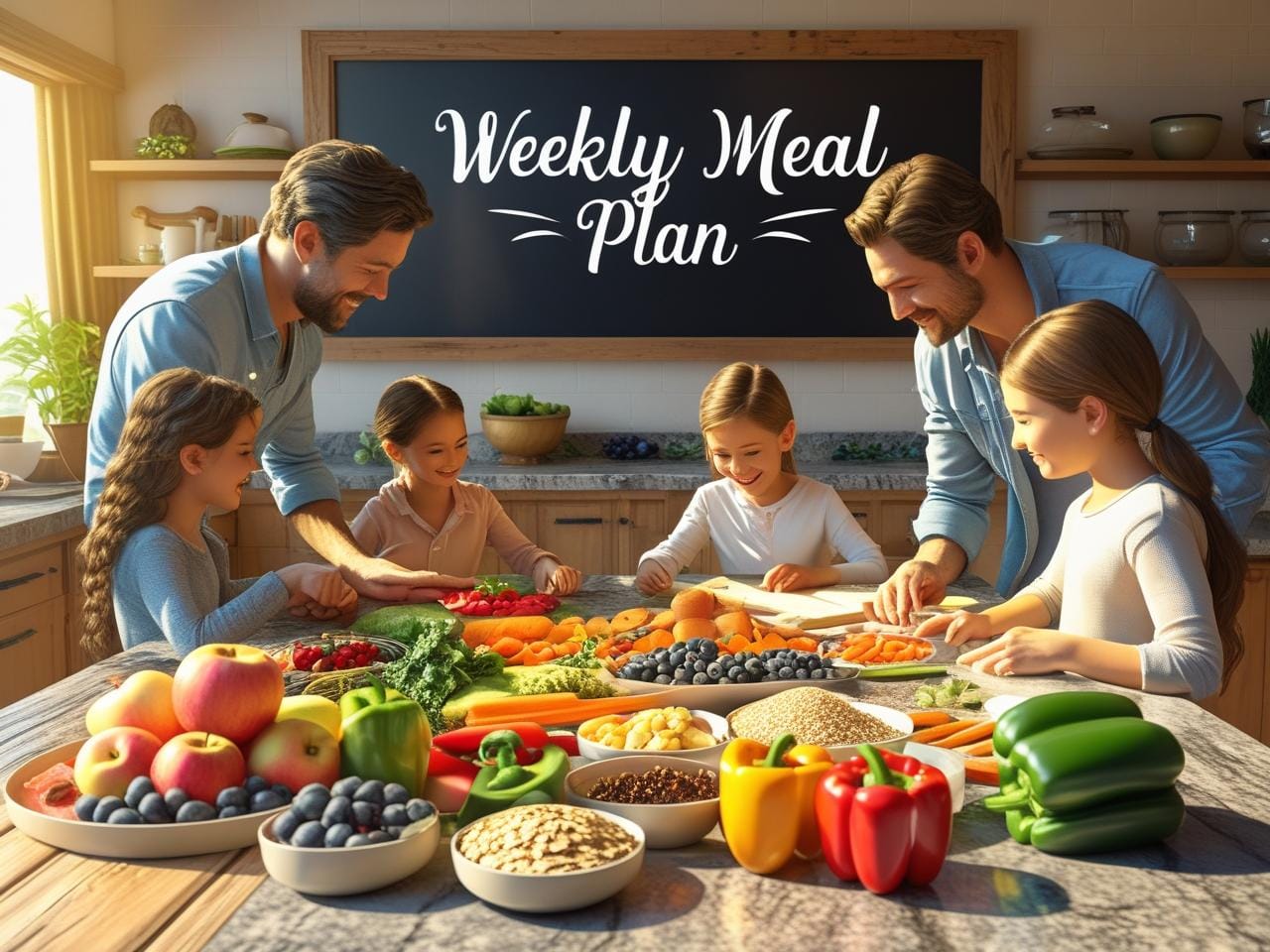
Healthy meals start with planning. Discover the ultimate 5,000-word guide to meal prep, seasonal strategies, budget-friendly tips, and expert advice to save time, money, and boost nutrition.
Introduction: A Story of Transformation
When Sarah, a busy mom of two, found herself relying on takeout three nights a week, she knew something had to change. Her family’s energy levels were low, grocery bills were skyrocketing, and her kids were picky eaters who barely touched vegetables. The turning point came when she committed to just one thing—planning meals ahead of time.
Fast forward three months, and Sarah’s family was eating colorful dinners, her grocery bill had dropped by 25%, and even her children were excited about their new “taco Tuesday” tradition. Sarah’s story isn’t unique. Across the world, families, students, professionals, and retirees are discovering that healthy meals start with planning.
Meal planning isn’t just about food—it’s about energy, health, money, and peace of mind. In this ultimate guide, we’ll explore how you can transform your eating habits and lifestyle through meal planning, no matter your schedule, budget, or cooking skill level.
Why Healthy Meals Start with Planning
Healthy meals don’t happen by accident. Without a plan, we often fall back on what’s quick and easy—which usually means processed snacks, fast food, or skipping meals entirely. Planning bridges the gap between healthy intentions and consistent actions.
Here’s why planning makes all the difference:
Removes Guesswork – When meals are pre-decided, you avoid the “What’s for dinner?” panic at 6 p.m.
Saves Time – A structured plan means fewer grocery trips and faster cooking.
Saves Money – Planned meals reduce impulse buys and food waste.
Improves Nutrition – You can ensure balanced meals with vegetables, whole grains, and lean proteins.
Reduces Stress – Knowing what you’ll eat brings peace of mind and consistency.
In short, planning is the foundation of a healthy eating routine. Without it, even the best intentions crumble under daily stress and fatigue.
The Psychology of Meal Planning
It’s not just about food—it’s about habits and mindset. Understanding the psychology behind meal planning can help you stick with it long-term.
1. Decision Fatigue
Every day, we make hundreds of small decisions. By dinnertime, our brains are exhausted, making it easy to choose pizza over a home-cooked stir fry. Planning eliminates last-minute decisions, protecting your willpower for bigger things.
2. Habit Formation
When meal planning becomes a weekly ritual—say, sitting down on Sunday afternoon to map out meals—it turns into a habit. Over time, it feels as natural as brushing your teeth.
3. Motivation & Accountability
Writing down a plan or using a meal-planning app creates visual accountability. It’s a commitment you can see, helping you follow through even when motivation dips.
By tapping into psychology, you’re not just feeding your body—you’re training your brain to stay consistent.
Benefits of Planning Healthy Meals Ahead
Meal planning is a small investment of time with massive returns. Let’s look at the key benefits:
1. Weight Management
When meals are structured, portion sizes stay consistent, and unhealthy snacking is reduced. Studies show people who meal plan are more likely to maintain a healthy weight.
2. Balanced Nutrition
Planning ensures every meal has the right mix of protein, carbs, healthy fats, and fiber. This prevents nutrient gaps and boosts overall health.
3. Reduced Stress
Knowing what’s for dinner brings relief. Instead of last-minute panic, you walk into the kitchen with confidence.
4. Financial Savings
According to the USDA, households waste up to 30% of their groceries. Planning helps you buy only what you need, reducing waste and saving money.
5. Healthier Lifestyle for the Whole Family
Kids who see parents planning meals grow up with healthier eating habits. Planning also encourages more family meals, which are linked to stronger relationships and better academic performance in children.
In essence, meal planning is a life upgrade—it impacts health, finances, and family dynamics in powerful ways.
Essential Principles of Healthy Meal Planning
To succeed with meal planning, keep these principles in mind:
1. Balance Your Plate
Every meal should include:
Protein: Chicken, fish, beans, tofu
Carbohydrates: Whole grains, sweet potatoes, quinoa
Healthy fats: Avocado, olive oil, nuts
Vegetables: Leafy greens, colorful veggies for vitamins
2. Portion Control
Use the plate method:
½ plate vegetables
¼ plate lean protein
¼ plate whole grains
3. Hydration
Water is often overlooked, but planning hydration (infused water, herbal teas) supports energy and digestion.
4. Variety
Rotate foods weekly to prevent boredom and ensure a diverse nutrient intake.
5. Flexibility
A meal plan isn’t rigid—it’s a guide. Life happens, and that’s okay. Having backup options (like frozen veggies or canned beans) keeps you on track even when plans shift.
Tools & Resources for Meal Planning Success
Meal planning becomes much easier when you have the right tools. Think of them as your kitchen assistants—saving you time, reducing waste, and making the process enjoyable.
1. Meal Planning Apps
Apps like Mealime, Paprika, and Yummly help create meal plans, generate grocery lists, and even suggest recipes based on dietary preferences. They remove the guesswork and streamline the process.
2. Grocery List Templates
A simple printable grocery list organized by category (produce, proteins, pantry, dairy) prevents wandering the aisles aimlessly. Many people find it saves 30–40 minutes per shopping trip.
3. Kitchen Gadgets That Help
Instant Pot / Slow Cooker: Hands-off cooking, perfect for busy evenings
Glass Storage Containers: Keep prepped meals fresh and visible
Sharp Knives & Cutting Boards: Make chopping quick and safe
Blender / Food Processor: Smoothies, sauces, and quick preps
4. Batch Cooking Equipment
Investing in sheet pans, muffin tins, and freezer bags makes batch cooking efficient. Cooking once and eating multiple times is a core meal planning hack.
With the right tools, you’ll move from feeling overwhelmed to feeling like a meal prep pro.
The Step-by-Step Meal Planning Process
Meal planning isn’t complicated—it just follows a repeatable process. Here’s a simple framework:
Step 1: Assess Your Goals
Weight loss or muscle gain?
Family-friendly or solo meals?
Budget-conscious or gourmet-focused?
Your goals determine the types of meals and portion sizes you plan.
Step 2: Create a Weekly Menu
Start small. Plan just 3 dinners per week, then expand. A balanced menu might include:
Breakfasts: Overnight oats, egg muffins, smoothie packs
Lunches: Grain bowls, wraps, prepped salads
Dinners: One-pan chicken, chili, stir fry
Step 3: Make a Smart Grocery List
Instead of buying random items, shop with intention:
Pantry Staples: Rice, beans, oats, spices
Proteins: Chicken, eggs, lentils, tofu
Produce: Seasonal vegetables & fruits
Extras: Healthy snacks, yogurt, nuts
Seasonal shopping is key. Buying produce in season ensures better taste and lower cost.
Step 4: Meal Prep & Storage
Pick 1–2 hours a week for batch prep. Chop vegetables, cook grains, grill proteins, and portion meals. Store in clear containers for easy grab-and-go access.
Pro Tip: Always label containers with the date. Prepped meals last 3–4 days in the fridge and up to 3 months in the freezer.
Healthy Breakfast Planning
Breakfast sets the tone for the day. A well-planned morning meal prevents mid-morning crashes and sugar cravings.
Quick Breakfast Ideas
Overnight oats with fruit and chia seeds
Greek yogurt parfaits with granola
Whole-grain toast with avocado and eggs
Make-Ahead Breakfasts
Egg muffins (bake a dozen, reheat daily)
Smoothie freezer packs (blend in under 2 minutes)
Baked oatmeal squares
Protein-Rich Options
Protein keeps you full. Examples:
Cottage cheese with berries
Peanut butter smoothies
Turkey sausage with scrambled eggs
A 10-minute breakfast plan saves you from rushing to the drive-thru.
Lunches Made Simple
Lunch should be portable, balanced, and energizing—especially for workdays.
Office-Friendly Lunches
Mason jar salads (layer dressing at the bottom, greens on top)
Quinoa bowls with roasted vegetables
Turkey and hummus wraps
Kid-Approved Lunches
Bento boxes with fruit, cheese, whole-grain crackers
Mini sandwiches with veggies on the side
Homemade “lunchables” with healthier swaps
Meal-Prep Lunches
Batch cook proteins like chicken breast, tofu, or beans. Mix and match with grains and veggies for variety throughout the week.
Think of lunch as a midday refuel station—not an afterthought.
Dinners Without the Stress
Dinner is often the trickiest meal because it comes after a long day. Planning makes it stress-free.
One-Pan Meals
Sheet pan salmon with veggies
Chicken fajitas on one tray
Roasted chickpeas with cauliflower
Slow Cooker Favorites
Chili with beans and ground turkey
Lentil curry
Shredded BBQ chicken
Family-Friendly Meals
Taco night with plenty of veggie toppings
Homemade pizza with whole-grain crust
Pasta night with hidden veggies in the sauce
Planned dinners keep evenings relaxed instead of chaotic.
Snacks & Mini-Meals
Unplanned snacks are often where healthy eating goes off track. Planning nutrient-rich snacks keeps energy steady.
Smart Snacking Options
Apple slices with almond butter
Carrot sticks with hummus
Rice cakes with cottage cheese
Healthy Swaps
Popcorn instead of chips
Dark chocolate instead of candy bars
Sparkling water with lemon instead of soda
Prep-Ahead Ideas
Pre-cut fruit & veggies in clear containers
Trail mix portioned into snack bags
Hard-boiled eggs ready in the fridge
Remember: snacks are mini-meals. Treat them with the same care as breakfast, lunch, and dinner.
Seasonal Meal Planning Strategies
Seasonal meal planning is a smart way to keep meals fresh, affordable, and nutritious. Buying in-season produce means better flavor, higher nutrient content, and lower grocery bills. Plus, it brings variety to your diet throughout the year.
Winter Meal Planning
Winter calls for hearty, warming meals that support immunity and comfort.
Soups & Stews: Chicken noodle, lentil soup, vegetable chili
Root Vegetables: Roasted sweet potatoes, carrots, and parsnips
Immune-Boosting Foods: Citrus fruits, garlic, ginger, and leafy greens
Pro Tip: Cook a large batch of soup on Sunday and enjoy it throughout the week.
Summer Meal Planning
Summer meals should be light, refreshing, and hydrating.
Fresh Salads: Watermelon & feta, quinoa & cucumber, spinach & berries
Smoothies & Bowls: Green smoothies, acai bowls, protein-packed shakes
Grilling Favorites: Salmon skewers, veggie kebabs, lean chicken burgers
Pro Tip: Keep fruit like watermelon, pineapple, and grapes pre-cut in the fridge for quick grab-and-go snacks.
Holiday Meal Planning
Holidays don’t have to derail your health. With a little planning, you can enjoy festive meals while staying balanced.
Healthy Swaps: Mashed cauliflower instead of mashed potatoes, roasted Brussels sprouts instead of heavy casseroles
Portion Awareness: Enjoy your favorite treats, but in moderation
Make-Ahead Dishes: Prep salads, dips, and vegetable sides a day early to save time
Pro Tip: Stick to the 80/20 rule—80% healthy, 20% indulgence—and you’ll enjoy the holidays without guilt.
Special Diets & Meal Planning
Meal planning works for any diet. In fact, it’s even more important when you have specific dietary needs.
Vegan Meal Planning
Protein Sources: Lentils, chickpeas, tofu, tempeh
Meal Ideas: Vegan chili, quinoa-stuffed peppers, smoothie bowls
Nutrient Focus: Vitamin B12, iron, and omega-3s (chia seeds, flaxseeds)
Keto Meal Planning
Protein & Fats: Salmon, eggs, avocados, cheese
Meal Ideas: Cauliflower rice stir-fry, zucchini noodles with pesto, egg muffins
Carb Tracking: Planning ensures carb counts stay within limits
Gluten-Free Meal Planning
Naturally Gluten-Free Foods: Rice, quinoa, sweet potatoes, fruits, vegetables
Meal Ideas: Buddha bowls, grilled chicken with roasted veggies, gluten-free pasta
Label Awareness: Planning prevents accidental gluten intake from hidden sources
Diabetic-Friendly Meal Planning
Focus: Low-glycemic index foods, fiber-rich vegetables, lean proteins
Meal Ideas: Turkey chili, lentil soup, grilled fish with leafy greens
Portion Control: Meal planning helps manage blood sugar spikes
Regardless of diet, planning makes consistency easier, ensuring all nutritional needs are met.
Budget-Friendly Healthy Meal Planning
One of the biggest myths about eating healthy is that it’s expensive. With smart planning, you can eat well on a budget.
Shopping Hacks
Buy in Bulk: Whole grains, beans, and nuts are cheaper in larger quantities.
Shop Seasonal: Apples in fall, berries in summer—seasonal produce is always cheaper.
Use Store Brands: Generic options are often the same quality at lower prices.
Plan Around Sales: Check weekly flyers before meal planning.
Affordable Protein Sources
Eggs
Canned tuna
Lentils and beans
Frozen chicken thighs
Tofu
Pro Tip: Plant-based proteins like beans and lentils cost a fraction of meat yet provide excellent nutrition.
Reducing Food Waste
Store perishables properly (herbs last longer wrapped in damp paper towels).
Repurpose leftovers into new meals (roast chicken → chicken salad wraps).
Freeze extras before they spoil.
A $50–70 weekly grocery bill is achievable for individuals when meal planning is done strategically. Families can also save hundreds monthly by sticking to planned meals.
Family Meal Planning Made Easy
Meal planning for a family can feel overwhelming, but it actually simplifies things when done right.
Kid-Approved Meals
Build-your-own taco night
Homemade pizza with veggie toppings
Spaghetti with hidden veggie sauce
Handling Picky Eaters
Offer choices within limits (“Do you want carrots or cucumbers?”)
Involve kids in cooking—ownership makes them more willing to try new foods
Keep introducing veggies in different forms (raw, roasted, blended)
Batch Cooking for Families
Cooking in bulk saves time. Examples:
Bake two trays of chicken at once—use one for dinner, slice the rest for sandwiches
Cook a double batch of chili and freeze half
Prep snack boxes for kids at the start of the week
Planning turns mealtime into a stress-free family event instead of a nightly battle.
Time-Saving Meal Prep Hacks
One of the biggest objections to meal planning is, “I don’t have time.” But in reality, meal planning saves time—you just need the right hacks.
1. Cook Once, Eat Twice (or Thrice!)
Roast a large batch of chicken breasts—use them for dinner, then shred leftovers for wraps or salads.
Cook a pot of quinoa or rice—reheat throughout the week as a side, stir-fry base, or salad topper.
2. Sheet Pan Magic
Sheet pan meals allow you to cook protein and vegetables at the same time with minimal cleanup. Just season, bake, and serve.
3. Freezer-Friendly Shortcuts
Chop onions, peppers, and carrots in bulk; freeze for soups or stir-fries.
Make freezer smoothie packs with fruit and spinach.
Store marinated proteins in freezer bags—just thaw and cook.
4. 15-Minute Meal Ideas
Veggie omelet with toast
Stir-fried shrimp and frozen veggies over rice
Black bean quesadillas
Planning combined with smart hacks means even the busiest people can eat healthy.
Common Meal Planning Mistakes to Avoid
Even the best intentions can fail if you fall into common traps. Here’s what to watch out for:
1. Overcomplicating the Plan
Many beginners plan elaborate meals every night. This leads to burnout. Start simple with repeatable meals (like Taco Tuesday, Stir-Fry Friday).
2. Ignoring Snacks
Skipping snack planning often leads to grabbing chips or candy. Always include nutrient-rich snack options.
3. Forgetting Variety
Eating chicken and broccoli every day may be healthy—but it’s boring. Rotate proteins, spices, and cuisines.
4. Not Planning for Busy Days
If Wednesday is packed with meetings, don’t schedule a 1-hour recipe. Plan quick meals or leftovers for busy nights.
5. Lack of Flexibility
A rigid plan leads to frustration. Remember: plans are guides, not prisons. Swap meals around if needed.
Expert Meal Planning Tips for Success
We reached out to nutritionists, chefs, and fitness coaches for their top insights:
Nutritionist Insight (Dr. Emily Harper, RD):
“Think of meal planning as nutrient insurance. Without a plan, people often miss out on key vitamins. Aim for 3 colors on every plate.”Chef’s Advice (Chef Marco Diaz):
“Seasoning is everything. Even healthy meals can taste gourmet with herbs and spices. Don’t fear experimenting with flavors.”Fitness Coach Tip (Laura Kim, CPT):
“Meal prep fuels workouts. I tell clients to prep post-workout meals in advance—like chicken, rice, and veggies—to avoid grabbing fast food.”
Expert perspectives reinforce that meal planning is more than practical—it’s science-backed and results-driven.
Real-Life Success Stories
1. Sarah’s Family Transformation
We introduced Sarah in the introduction—a busy mom who swapped takeout for planned meals. After 3 months:
Grocery bill dropped 25%
Kids started eating vegetables
Stress around dinner disappeared
2. James, the College Student
James lived on instant noodles until he started meal planning with just three bulk recipes a week: chili, pasta with veggies, and stir fry. Result?
Saved $200/month
Lost 10 pounds in 8 weeks
Felt more energized for classes
3. Priya, the Vegan Entrepreneur
Running a small business, Priya struggled with inconsistent meals. By planning vegan meal prep bowls on Sundays, she:
Maintained stable energy for long workdays
Stopped skipping meals
Inspired her staff to adopt healthier habits
These stories show that meal planning works for everyone—families, students, and professionals alike.
FAQs on Healthy Meal Planning
Here are answers to some of the most frequently asked questions about meal planning.
1. How far in advance should I plan my meals?
Most people find planning one week at a time works best. It gives enough structure without being overwhelming. However, some prefer 3-day plans for fresher produce.
2. Do I need to prep all meals at once?
Not at all. Meal prep isn’t about spending hours in the kitchen—it’s about making life easier. You can:
Prep all meals in one session
Or just chop veggies, cook grains, and wash fruit ahead of time
Find the balance that works for your lifestyle.
3. Can meal planning help with weight loss?
Yes! By controlling portions, reducing impulsive eating, and focusing on whole foods, meal planning is one of the most effective tools for weight management.
4. What if I get bored of my meal plan?
Boredom is common if you overuse the same recipes. To fix it:
Rotate cuisines (Mexican, Mediterranean, Asian-inspired)
Try seasonal recipes
Batch cook different proteins and mix them into various dishes
5. Is meal planning expensive?
Quite the opposite. Planned meals help you buy only what you need, take advantage of bulk and seasonal items, and reduce waste. Families often save hundreds of dollars monthly by sticking to a plan.
6. What if my schedule changes unexpectedly?
Life happens! Always keep backup options:
Frozen vegetables
Canned beans
Shelf-stable grains
With these, you can whip up a healthy 15-minute meal anytime.
Conclusion: A Healthier Future Starts Today
We’ve covered a lot—why healthy meals start with planning, how psychology plays a role, the step-by-step process, seasonal strategies, hacks, and inspiring success stories.
But here’s the bottom line:
Meal planning is not about perfection—it’s about consistency.
When you plan your meals, you’re not just feeding your body—you’re fueling your future. You’re saving money, reducing stress, and creating healthier habits for yourself and your loved ones.
Imagine a week where:
Dinner decisions don’t stress you out
Your grocery cart is full of colorful, nourishing foods
You feel energized, confident, and proud of your choices
That week can start today—with one small step: writing down your next three meals.
Remember, healthy meals start with planning. The sooner you begin, the sooner you’ll feel the benefits ripple through every part of your life.


Your blog has become an indispensable resource for me. I’m always excited to see what new insights you have to offer. Thank you for consistently delivering top-notch content!
Your articles never fail to captivate me. Each one is a testament to your expertise and dedication to your craft. Thank you for sharing your wisdom with the world.
Usually I do not read article on blogs however I would like to say that this writeup very compelled me to take a look at and do it Your writing style has been amazed me Thank you very nice article
Your blog is a true hidden gem on the internet. Your thoughtful analysis and in-depth commentary set you apart from the crowd. Keep up the excellent work!
Wonderful work! This is the kind of information that are meant to be shared across the net. Disgrace on Google for now not positioning this publish higher! Come on over and visit my web site . Thank you =)
You are a very smart individual!
It?¦s in reality a nice and useful piece of info. I am satisfied that you simply shared this useful info with us. Please keep us up to date like this. Thank you for sharing.