

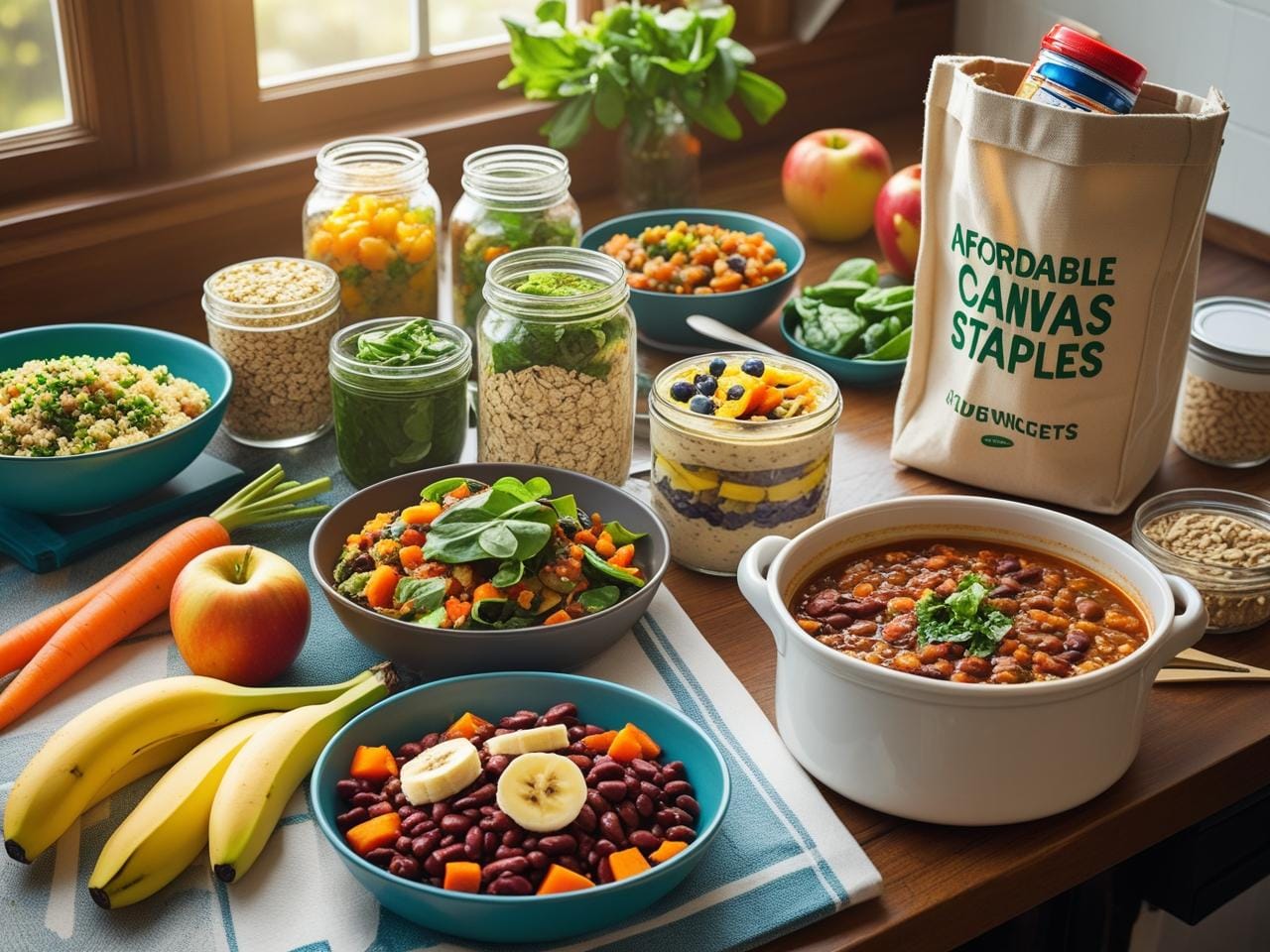
Eat healthy without overspending! Discover cheap, easy, and delicious recipes plus smart shopping tips for nutritious meals on a budget.
Eating well should never be a luxury reserved for people with overflowing wallets or endless free time. In reality, healthy meals on a budget are not only possible, but they can also be delicious, satisfying, and surprisingly easy to prepare. Many people believe that eating nutritiously means spending more, but the truth is—with the right strategies, ingredients, and mindset—you can create affordable, balanced meals that fuel your body, improve your health, and save money at the same time.
This comprehensive guide dives deep into every aspect of budget-friendly healthy eating—from grocery shopping hacks and meal prep strategies to breakfast, lunch, dinner, snacks, and even special diets. You’ll learn how to stretch your dollar without sacrificing flavor or nutrition. Along the way, we’ll sprinkle in expert tips, actionable advice, and practical recipes that real people can use every day.
Introduction to Healthy Eating on a Budget
Eating healthy often carries a reputation of being expensive, but that perception is more myth than fact. In truth, affordable nutritious meals can be built around simple, whole-food staples that are often cheaper than processed or convenience items.
The trick lies in planning ahead, choosing wisely, and cooking creatively. Instead of reaching for fast food or prepackaged snacks, you can craft meals rich in protein, fiber, vitamins, and minerals—all while sticking to a modest grocery budget.
This isn’t about deprivation; it’s about making smart, satisfying choices that maximize both nutrition and value.
Why Eating Healthy Doesn’t Have to Be Expensive
The notion that health and affordability can’t coexist is outdated. Consider this: a bag of dried beans costs less than a fast-food combo meal and yields multiple servings of high-protein, high-fiber goodness. Frozen vegetables, canned tuna, brown rice, oats, and eggs are nutrient powerhouses that come at incredibly low prices.
When you break it down, budget-friendly clean eating often comes down to three principles:
Cooking at home – Restaurant meals carry hefty markups.
Buying versatile staples – Ingredients like oats, rice, eggs, beans, and seasonal vegetables can be transformed into countless meals.
Reducing food waste – Every scrap you save is money in your pocket.
Common Myths About Affordable Healthy Eating
Myth 1: Healthy food is always more expensive.
Truth: Ultra-processed snacks, sugary drinks, and takeout often cost more than homemade meals built on whole foods.Myth 2: Cooking takes too much time.
Truth: With batch cooking, freezer meals, and simple one-pot recipes, you can prepare nourishing meals in less time than it takes to order delivery.Myth 3: Cheap food isn’t filling.
Truth: Fiber-rich foods like beans, lentils, oats, and whole grains are not only inexpensive but also keep you full for hours.Myth 4: You can’t eat organic or special diets on a budget.
Truth: It’s about prioritizing and picking your battles—some organic produce is affordable, and plant-based or gluten-free meals can be incredibly cheap when built around natural staples.
Benefits of Budget-Friendly Healthy Meals
Eating healthy on a budget isn’t just about saving money. It’s about creating a lifestyle where food supports both your physical health and your overall quality of life.
Physical Health Benefits
Affordable whole foods like beans, leafy greens, eggs, oats, and fish are packed with nutrients that support long-term wellness:
Stronger immunity from vitamins and minerals.
Steady energy from complex carbohydrates.
Healthy digestion from fiber.
Muscle repair and growth from protein sources like lentils, chicken, and eggs.
By avoiding heavily processed junk, you also reduce risks of obesity, heart disease, and diabetes—all while keeping grocery bills lower.
Mental Wellness and Stress Reduction
Money worries can take a toll on mental health. But when you learn how to prepare nutritious meals on a budget, you eliminate the stress of overspending and the guilt of eating poorly. Home-cooked meals foster a sense of control, accomplishment, and comfort.
Foods like salmon, walnuts, spinach, and oats are also rich in brain-boosting nutrients that support focus and mental clarity.
Saving Money Without Sacrificing Nutrition
A common mistake is assuming that the cheapest calories (chips, instant noodles, fast food) are the best way to save money. In reality, they’re empty calories that leave you hungry again.
Smart grocery shopping and cooking strategies prove that it’s possible to eat healthy for under $5 a day with meals that are filling, nutrient-dense, and tasty.
Smart Grocery Shopping Tips
The grocery store is where budget-friendly healthy eating begins. With the right approach, you can stock up on nutritious food without overspending.
Creating a Weekly Meal Plan
Meal planning is the backbone of affordable healthy eating. Here’s how to do it:
Check your pantry first – Build meals around what you already have.
Plan versatile meals – For example, roasted chicken can become sandwiches, stir-fries, and soups.
Balance nutrients – Make sure each day includes protein, fiber, and healthy fats.
Write a strict grocery list – And stick to it! Impulse buys add up quickly.
Best Budget-Friendly Ingredients to Buy
Some of the most affordable ingredients are also the healthiest:
Grains: oats, brown rice, quinoa, whole wheat pasta.
Proteins: beans, lentils, eggs, chicken thighs, canned fish, tofu.
Vegetables: cabbage, carrots, spinach, onions, frozen mixed veggies.
Fruits: bananas, apples, oranges, frozen berries.
Pantry staples: peanut butter, olive oil, canned tomatoes, spices.
How to Shop Seasonal and Local
Seasonal produce not only tastes better but is often much cheaper. Farmers’ markets, community-supported agriculture (CSA) boxes, and even discount produce bins at grocery stores are goldmines for affordable nutrition.
Using Coupons, Discounts, and Bulk Purchases
Coupons & store apps – Pair sales with coupons for maximum savings.
Buy in bulk – Items like rice, beans, oats, and spices last a long time and cost far less per serving when bought in larger quantities.
Discount stores – Don’t overlook budget-friendly grocers and warehouse clubs.
Healthy Budget Breakfast Ideas
Mornings set the tone for the day, and budget-friendly healthy breakfasts prove you don’t need expensive smoothies or avocado toast to fuel up.
Overnight Oats and Smoothie Bowls
Overnight oats require nothing more than oats, milk (or plant-based alternatives), and toppings like bananas or frozen berries. Smoothie bowls made with frozen spinach, bananas, and yogurt are cheap, colorful, and nutrient-packed.
Egg-Based High-Protein Options
Eggs are the ultimate affordable protein source. Scrambles, veggie omelets, frittatas, or hard-boiled eggs with toast provide balanced fuel.
Whole-Grain & Plant-Based Breakfasts
Whole-grain toast with peanut butter, chia seed pudding, or bean-and-veggie breakfast burritos are inexpensive ways to stay energized all morning.
Healthy Budget Lunch Ideas
Lunch is where meal prepping shines, helping you avoid expensive takeout.
Mason Jar Salads & Meal Preps
Layer grains, beans, vegetables, and a simple dressing in a jar for a portable, filling, and cost-effective lunch.
Sandwiches, Wraps & Grain Bowls
Tuna wraps, hummus and veggie sandwiches, or rice bowls topped with chicken and roasted veggies all stretch ingredients into multiple meals.
Vegetarian & Vegan Budget-Friendly Lunches
Lentil soups, bean burritos, and chickpea salad sandwiches deliver plant-based protein without breaking the bank.
Healthy Budget Dinner Recipes
Dinners are the heart of family meals, and they can be hearty, satisfying, and wallet-friendly.
One-Pot Meals & Stir-Fries
Soups, stews, and stir-fries stretch affordable ingredients like rice, cabbage, and beans into flavorful, nutrient-dense meals.
Slow Cooker & Instant Pot Meals
Cooking beans, chili, or shredded chicken in bulk with slow cookers or Instant Pots saves both time and money.
High-Protein Low-Cost Recipes
Think black bean chili, baked chicken drumsticks, or tofu stir-fry—all affordable, protein-rich, and filling.
Budget-Friendly Snacks & Drinks
Snacks don’t have to be overpriced protein bars or sugary junk food.
Energy-Boosting Snacks Under $2
Examples: apple slices with peanut butter, homemade trail mix, popcorn, boiled eggs.
Homemade Smoothies & Infused Water
Blend frozen fruit with yogurt for a cheap smoothie. Add cucumber, lemon, or mint to water for a refreshing twist.
Kid-Friendly Healthy Snacks
Homemade granola bars, veggie sticks with hummus, or yogurt with fruit make excellent low-cost snacks for children.
Meal Prepping on a Budget
Meal prepping saves both time and money.
Batch Cooking Tips
Prepare large pots of beans, rice, or roasted veggies at once, then mix and match throughout the week.
Freezer-Friendly Meals
Lasagna, soups, burritos, and casseroles freeze beautifully and make weeknight dinners effortless.
Portion Control & Food Storage Hacks
Use clear containers, label leftovers, and freeze single servings to avoid waste.
Special Diets on a Budget
Whether you’re vegan, gluten-free, or low-carb, affordable options exist.
Vegan Healthy Meals on a Budget
Staples like lentils, beans, tofu, and seasonal produce make vegan meals both cheap and filling.
Gluten-Free Affordable Meal Options
Rice, potatoes, corn tortillas, and naturally gluten-free grains like quinoa keep costs low.
High-Protein & Low-Carb Budget Meals
Eggs, canned tuna, chicken thighs, and cottage cheese form the base of cost-effective, high-protein meals.
Family-Friendly Healthy Meals
Families often struggle to feed everyone affordably—but it’s possible.
Kid-Approved Budget Meals
Examples: veggie pasta with tomato sauce, baked chicken nuggets, homemade pizzas.
Feeding a Family of Four for Under $10
Think: bean chili with cornbread, roasted chicken with rice and veggies, or spaghetti with lentils instead of meat.
Quick Meals for Busy Parents
Quesadillas, sheet-pan dinners, and slow-cooker soups keep stress levels low.
Student-Friendly Healthy Meals on a Budget
College students often juggle tight budgets and limited kitchens.
5-Minute Dorm Room Meals
Microwaveable oats, tuna wraps, and instant rice bowls with beans are lifesavers.
No-Cook Meal Ideas for Students
Canned beans with salsa, hummus with veggies, and nut butter sandwiches require zero cooking.
Affordable Healthy Snacks for Studying
Trail mix, hard-boiled eggs, or popcorn are perfect study fuel.
International Healthy Meals on a Budget
Eating globally inspired meals doesn’t have to cost a fortune.
Mediterranean-Inspired Budget Meals
Think chickpea salads, lentil soups, and roasted veggies with olive oil.
Asian-Inspired Affordable Recipes
Rice stir-fries, miso soup, and tofu curry are flavorful, healthy, and inexpensive.
Latin American Flavors on a Budget
Black bean tacos, arroz con pollo, and plantain dishes bring bold taste without high cost.
Mistakes to Avoid When Cooking on a Budget
Many people overspend without realizing why.
Buying Too Many Processed Foods
Processed foods are often pricier and less filling than whole food alternatives.
Not Sticking to a Grocery List
Impulse buys add up quickly—discipline at the store is key.
Wasting Leftovers
Leftovers are gold. Always store, freeze, or repurpose them.
Tools & Resources for Healthy Meals on a Budget
Budget Meal Planning Apps
Apps like Mealime or Paprika simplify shopping and prepping.
Grocery List Generators
Online tools create cost-effective shopping lists based on recipes.
Affordable Kitchen Gadgets
Invest in slow cookers, rice cookers, and blenders—they save money in the long run.
Frequently Asked Questions (FAQs)
What is the cheapest healthy meal to cook?
Beans and rice with vegetables is one of the most affordable, nutritious staples.
How can I eat healthy on $5 a day?
Focus on oats, eggs, beans, rice, seasonal veggies, and meal prepping.
Are vegetarian meals cheaper than meat-based ones?
Generally, yes—plant proteins like beans and lentils cost far less than meat.
How to meal prep for a week on a budget?
Cook large batches of grains, beans, and proteins, then portion into containers.
What are the best budget-friendly protein sources?
Eggs, beans, lentils, canned tuna, and chicken thighs.
Can you eat organic on a budget?
Yes—choose the “Dirty Dozen” items organic, but buy conventional for the “Clean Fifteen.”
Conclusion: Eat Smart, Live Healthy Without Breaking the Bank
Eating healthy on a budget isn’t about sacrifice—it’s about strategy, creativity, and resourcefulness. By planning meals, buying affordable staples, and embracing home cooking, you can enjoy delicious, nutritious meals without financial stress. Whether you’re a student, parent, or busy professional, the tools are in your hands.
With smart shopping and simple cooking, healthy meals on a budget can truly become a lifestyle—one that supports your body, your wallet, and your peace of mind.


What i do not understood is in truth how you are not actually a lot more smartlyliked than you may be now You are very intelligent You realize therefore significantly in the case of this topic produced me individually imagine it from numerous numerous angles Its like men and women dont seem to be fascinated until it is one thing to do with Woman gaga Your own stuffs nice All the time care for it up