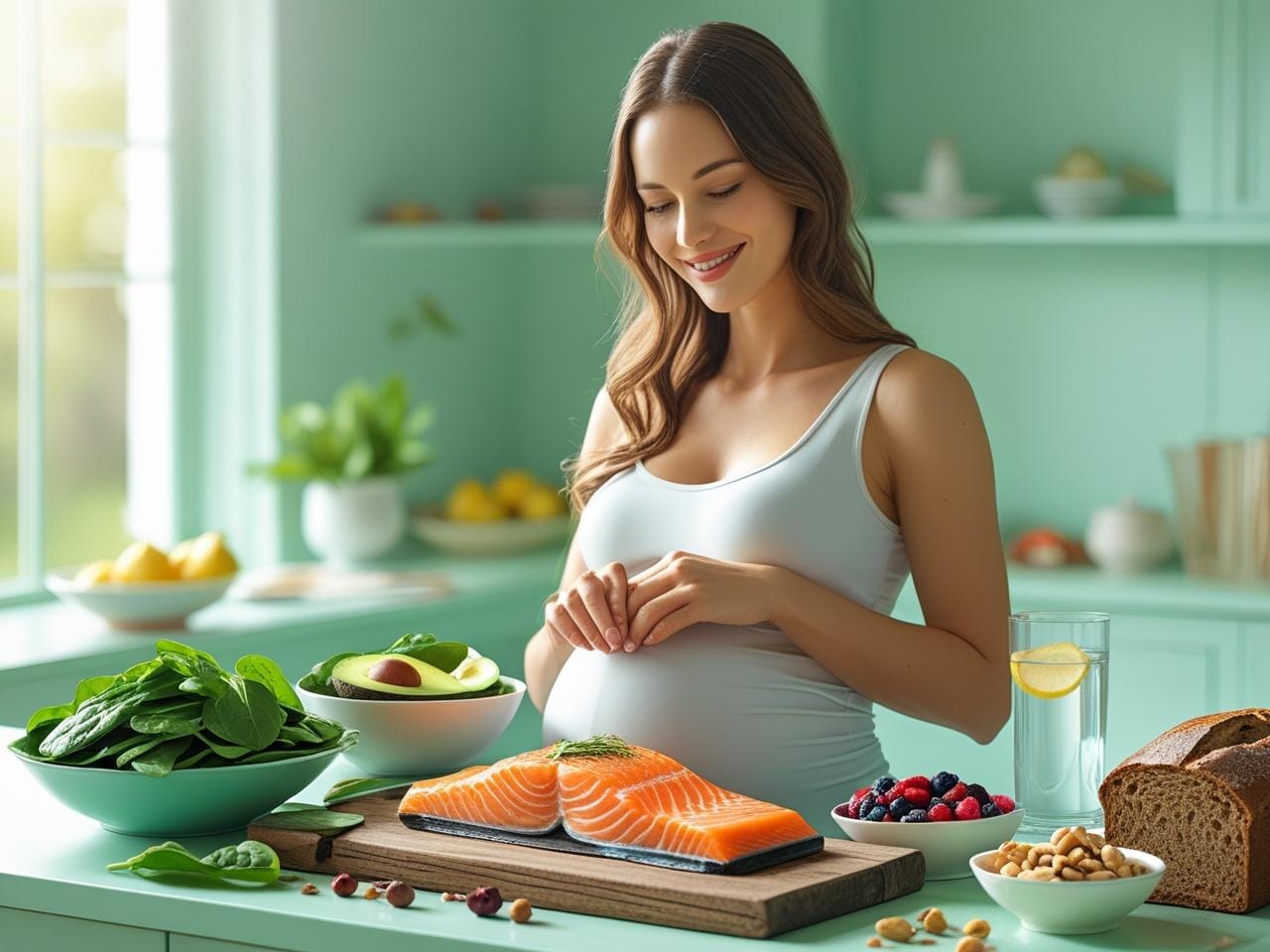
Discover healthy meals for pregnancy with expert tips, safe foods, recipes, and nutrition advice to support you and your baby.
Pregnancy is one of the most extraordinary journeys in a woman’s life. Every bite of food you eat during these months doesn’t just nourish you—it directly supports the growth, health, and development of your baby. The challenge? Between cravings, aversions, busy schedules, and an overwhelming wave of advice, many expecting mothers find it confusing to know what meals are best.
This complete expert guide to healthy meals for pregnancy breaks down everything you need to know—nutritional needs, trimester-specific diet tips, practical recipes, safe foods, foods to avoid, and strategies to make eating enjoyable and stress-free. With the right knowledge, pregnancy meals can be both nourishing and delicious.
Introduction to Healthy Meals for Pregnancy
A healthy pregnancy meal is not about eating twice as much—it’s about eating wisely. Balanced nutrition provides:
Sustained energy for the mother
Optimal growth for the fetus
Reduced risks of complications such as gestational diabetes or anemia
Improved mood, digestion, and sleep
Healthy meals for pregnancy should focus on quality over quantity—nutrient-rich foods that deliver maximum benefits in each bite.
Why Nutrition Matters During Pregnancy
Nutrition during pregnancy influences everything from fetal brain development to the strength of bones and immunity. Critical reasons include:
Cell and organ development: Folate, iron, and protein build tissues and DNA.
Bone strength: Calcium and vitamin D ensure strong skeletal growth.
Cognitive function: Omega-3 fatty acids support brain and eye development.
Healthy delivery: Proper nutrition reduces risks of preterm birth and complications.
Simply put: your diet lays the foundation for your baby’s lifelong health.
Common Pregnancy Diet Myths and Misconceptions
Pregnancy is surrounded by food myths. Let’s clear a few:
Myth: “You must eat for two.”
Truth: You need more nutrients, not double calories. Most women only need an extra 300–450 calories in the second and third trimesters.Myth: “Pregnant women must avoid all seafood.”
Truth: Only high-mercury fish should be avoided; low-mercury fish like salmon and sardines are excellent for omega-3s.Myth: “Cravings must be satisfied at all costs.”
Truth: Occasional indulgence is fine, but balance matters more than giving into every craving.
Key Nutritional Needs During Pregnancy
Macronutrients: Protein, Carbohydrates, Healthy Fats
Protein: Builds baby’s tissues and supports maternal blood volume. Sources: eggs, beans, lean meats, lentils, tofu, yogurt.
Carbohydrates: Provide energy and fiber. Opt for whole grains, quinoa, oats, brown rice, and starchy vegetables.
Healthy Fats: Crucial for fetal brain and nervous system development. Sources: avocados, nuts, seeds, olive oil, fatty fish.
Micronutrients: Iron, Calcium, Folate, and Vitamins
Iron: Prevents anemia, supports oxygen transport. Sources: spinach, red meat, legumes.
Calcium: Essential for bones and teeth. Sources: dairy, fortified plant milks, almonds, leafy greens.
Folate/Folic Acid: Prevents neural tube defects. Sources: leafy greens, lentils, citrus fruits, fortified cereals.
Vitamins (A, C, D, B12, K): Each supports immunity, vision, blood clotting, and metabolism.
Hydration and the Role of Fluids
Water is often underestimated in pregnancy diets. It prevents constipation, supports amniotic fluid levels, and reduces fatigue. Herbal teas, coconut water, and soups are hydrating alternatives. Aim for 8–12 cups daily.
Trimester-Specific Nutritional Requirements
First Trimester: Managing Nausea with Light Meals
Small, frequent meals every 2–3 hours.
Ginger tea, plain crackers, light smoothies.
Cold foods (yogurt, salads) may be easier than hot foods during nausea.
Second Trimester: Energy-Boosting Foods
Increase protein for growing baby muscles.
Snack on nuts, seeds, and fruit for energy.
Add iron-rich meals to prevent anemia.
Third Trimester: Foods That Support Fetal Growth
Calcium and vitamin D for bone development.
Omega-3s for brain and vision.
Fiber-rich meals to ease late-pregnancy constipation.
Healthy Breakfast Ideas for Pregnancy
High-Protein Breakfast Options
Veggie omelet with cheese and whole-wheat toast.
Greek yogurt with chia seeds and berries.
Smoothie with spinach, banana, almond butter, and protein powder.
Fiber-Rich Whole Grain Meals
Overnight oats with walnuts and dried fruit.
Quinoa breakfast bowl with apple and cinnamon.
Multigrain pancakes with flaxseeds.
Easy Morning Meals for Nausea Relief
Dry toast with honey.
Plain rice cakes with peanut butter.
Chilled fruit smoothie with ginger.
Nutritious Lunch Options for Expecting Mothers
Balanced Midday Meals with Lean Protein & Veggies
Grilled chicken with roasted sweet potatoes.
Salmon bowl with quinoa and avocado.
Lentil curry with brown rice.
Pregnancy-Friendly Salads and Sandwiches
Spinach salad with walnuts, cranberries, and feta (pasteurized).
Turkey sandwich with avocado and tomato on whole-grain bread.
Chickpea salad with olive oil and lemon.
Quick Lunches for Busy Moms-to-Be
Whole-wheat wrap with hummus and veggies.
Microwave-baked sweet potato with cottage cheese.
Egg salad pita pocket.
Healthy Dinner Recipes for Pregnancy
One-Pot Nutrient-Packed Meals
Chicken and vegetable stew.
Lentil soup with spinach and carrots.
Turkey chili with beans.
Vegetarian and Plant-Based Dinner Options
Black bean tacos with avocado.
Stuffed bell peppers with quinoa and veggies.
Chickpea and spinach curry.
Comfort Foods Made Nutritious
Baked zucchini lasagna.
Cauliflower mac and cheese.
Shepherd’s pie with mashed sweet potatoes.
Smart Snack Ideas for Pregnancy
Energy-Boosting Snacks
Trail mix with almonds, raisins, and pumpkin seeds.
Apple slices with almond butter.
Rice cakes with avocado.
Sweet but Healthy Treats
Dark chocolate dipped strawberries.
Frozen yogurt with fruit.
Baked banana chips.
On-the-Go Snack Options
String cheese with crackers.
Portable smoothie in a thermos.
Granola bars with nuts and seeds.
Foods to Avoid During Pregnancy
High-Mercury Fish and Raw Seafood
Avoid swordfish, king mackerel, shark, raw sushi.
Caffeine, Alcohol, and Sugary Drinks
Limit caffeine to under 200mg/day.
Eliminate alcohol completely.
Avoid sodas and energy drinks.
Undercooked Meats and Soft Cheeses
Avoid raw eggs, deli meats, and unpasteurized cheeses to prevent listeria.
Meal Planning & Prep for Pregnancy
Weekly Meal Plan Examples for Expecting Mothers
Day 1: Oatmeal, chicken salad wrap, baked salmon.
Day 2: Smoothie, lentil soup, veggie stir-fry.
Day 3: Avocado toast, quinoa salad, turkey chili.
Budget-Friendly Healthy Meal Prep
Buy in bulk (beans, rice, oats).
Use frozen produce.
Cook large portions and freeze leftovers.
Time-Saving Cooking Tips for Busy Moms
Prep veggies once a week.
Use slow cookers.
Choose sheet pan meals.
Managing Common Pregnancy Symptoms with Food
Meals for Morning Sickness Relief
Ginger tea, bland crackers, bananas.
Foods That Help with Heartburn and Indigestion
Smaller, frequent meals.
Avoid spicy, greasy foods.
Include yogurt and oatmeal.
Diet Tips for Preventing Constipation
High-fiber fruits (pears, prunes).
Whole grains.
Plenty of water.
Involving Partners in Healthy Eating During Pregnancy
Cooking Together as a Couple
Share cooking duties.
Try new recipes as a bonding activity.
Supporting Emotional and Physical Well-being Through Food
Eating together promotes connection.
Partners can help remind about hydration and snacks.
Expert Insights from Nutritionists and Doctors
Supplements and Prenatal Vitamins: What’s Essential
Folic acid, iron, DHA, calcium.
Personalized based on blood tests.
Balancing Traditional & Modern Nutrition Advice
Cultural food wisdom matters.
Combine traditional foods with evidence-based guidelines.
FAQs on Healthy Meals for Pregnancy
What are the best quick meals for pregnant women?
Smoothies, wraps, veggie bowls, lentil soups.
How many meals should I eat per day during pregnancy?
3 main meals + 2–3 snacks.
Are vegetarian or vegan diets safe in pregnancy?
Yes, if carefully planned with protein and B12 sources.
Can I eat seafood while pregnant?
Yes, choose low-mercury fish like salmon, sardines, trout.
What foods increase energy during pregnancy?
Nuts, whole grains, eggs, yogurt, bananas.
Do I really need to eat for two?
No, just slightly more in 2nd and 3rd trimesters.
Conclusion: Building a Healthy Eating Routine for a Healthy Pregnancy
A healthy pregnancy diet is more than a list of dos and don’ts—it’s about finding delicious, nourishing meals that make you feel good while supporting your baby’s development. By focusing on nutrient-rich foods, safe preparation, and mindful meal planning, expecting mothers can enjoy food while building a foundation for a healthy pregnancy, delivery, and beyond.
Pregnancy is not about perfection—it’s about progress, balance, and joy in every bite.