

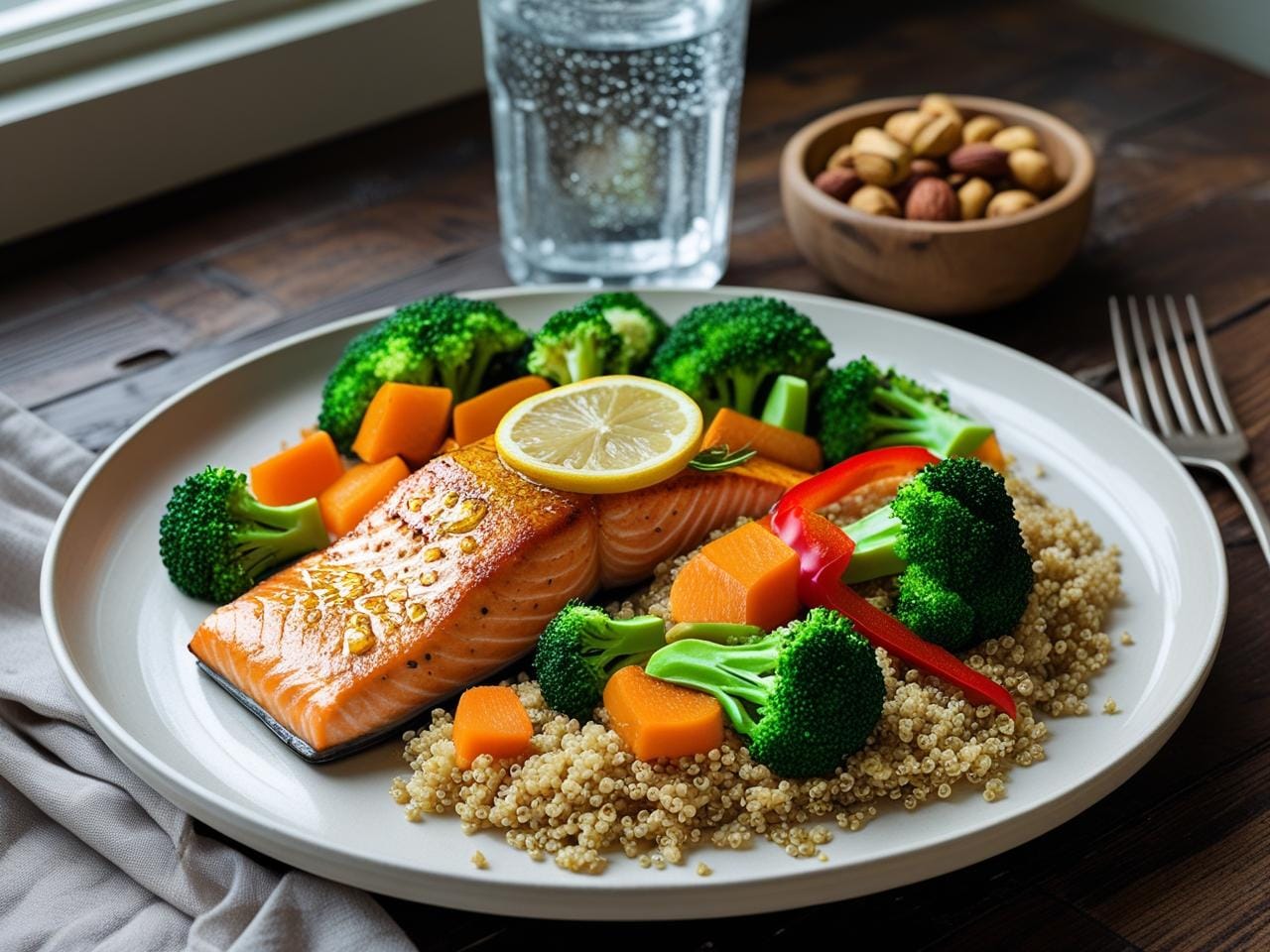
Discover how balanced meals fuel energy, support health, and prevent disease. Easy tips for planning nutritious meals at home.
Introduction to Healthy Balanced Meals
Healthy balanced meals are more than just food on a plate—they are the cornerstone of wellness, vitality, and long-term health. A truly balanced meal provides the right ratio of macronutrients (proteins, carbohydrates, fats), essential micronutrients (vitamins, minerals, antioxidants), and hydration. When thoughtfully put together, these meals fuel the body with sustained energy, stabilize mood, support metabolism, enhance brain function, and prevent lifestyle diseases.
Eating a balanced diet is not about strict restrictions or labeling foods as “good” or “bad.” Instead, it’s about cultivating nutrient-rich eating habits that promote both physical health and mental clarity. From children to seniors, athletes to busy professionals, everyone benefits from meals that are thoughtfully balanced, colorful, and delicious.
Why Balanced Meals Are Important for Overall Health
Balanced meals create a foundation for overall health by:
Regulating blood sugar levels to prevent energy crashes.
Providing sufficient protein for muscle repair and hormone regulation.
Supplying dietary fiber for gut health and digestion.
Ensuring optimal vitamin and mineral intake for immunity and brain function.
Supporting long-term heart health, weight management, and healthy aging.
Key Components of a Healthy Balanced Meal
Macronutrients: Proteins, Carbohydrates, and Fats
Proteins: Essential for building and repairing tissues, proteins also stabilize appetite and support strong immunity. Examples: lean poultry, fish, legumes, tofu, eggs, and beans.
Carbohydrates: The primary energy source for the body, especially the brain. Complex carbs like brown rice, oats, quinoa, and whole wheat bread provide fiber, satiety, and slow energy release.
Healthy Fats: Critical for brain health, hormone production, and nutrient absorption. Sources include olive oil, avocado, nuts, seeds, and fatty fish like salmon.
Micronutrients: Vitamins and Minerals
These tiny nutrients pack a powerful punch. Vitamin C supports immunity, iron aids oxygen transport, calcium strengthens bones, and magnesium relaxes muscles and regulates mood. Each fruit, vegetable, grain, and nut adds a unique blend of micronutrients.
Hydration: The Role of Water in a Balanced Diet
Water is often overlooked but essential. Hydration maintains metabolism, supports digestion, regulates temperature, and carries nutrients throughout the body. Herbal teas, infused water, and water-rich foods like cucumbers also contribute to hydration.
The Science Behind Balanced Nutrition
How Balanced Meals Support Energy and Metabolism
When macronutrients are eaten in proper ratios, the body receives steady energy without spikes and crashes. Carbohydrates fuel muscles and the brain, proteins slow digestion and aid recovery, and healthy fats prolong satiety and stabilize hormones. Together, they optimize metabolism, helping the body burn energy efficiently.
Impact on Weight Management and Satiety
Balanced meals prevent overeating by stabilizing blood sugar and enhancing satiety. Fiber from whole grains and vegetables delays hunger, while proteins trigger satiety hormones. This balance naturally supports weight loss or maintenance without extreme dieting.
Healthy Balanced Meals by Food Group
Whole Grains and Complex Carbs
Examples: brown rice, oats, quinoa, barley, sweet potatoes. These foods are packed with fiber, B-vitamins, and slow-release energy.
Lean Proteins: Plant-Based and Animal-Based Options
Plant-based: lentils, beans, chickpeas, tofu, tempeh.
Animal-based: chicken, turkey, fish, eggs, lean beef.
Fruits and Vegetables: The Rainbow Rule
Eating a “rainbow” ensures a wide range of antioxidants.
Red foods: tomatoes, strawberries, watermelon (lycopene).
Orange foods: carrots, pumpkin, oranges (beta-carotene).
Green foods: broccoli, spinach, kale (chlorophyll, magnesium).
Purple foods: blueberries, eggplant (anthocyanins).
Healthy Fats: Nuts, Seeds, and Oils
Almonds, chia seeds, walnuts, flaxseeds, olive oil, avocado oil. These fats nourish the brain, reduce inflammation, and support cardiovascular health.
Meal Planning for a Balanced Diet
Portion Control and Serving Sizes
Using hand-size measures helps: palm = protein, fist = carbs, thumb = fat.
Plate Method for Easy Meal Balance
½ plate vegetables, ¼ protein, ¼ whole grains, with healthy fat.
Weekly Meal Prep Ideas
Cook batches of brown rice and quinoa.
Pre-chop vegetables for stir-fries and salads.
Prepare roasted chicken breasts or beans for quick protein.
Examples of Healthy Balanced Meals
Healthy Balanced Breakfast Ideas
Oatmeal topped with nuts, seeds, and fresh berries.
Whole-grain toast with avocado and poached egg.
Lunch Options for Energy and Focus
Quinoa salad with chickpeas, cucumbers, tomatoes, and olive oil.
Turkey wrap with hummus and colorful veggies.
Dinner Meals for Optimal Nutrition
Baked salmon, steamed broccoli, and roasted sweet potato.
Stir-fried tofu with brown rice and mixed vegetables.
Snack Ideas That Support Balance
Greek yogurt with chia seeds.
Apple slices with almond butter.
A handful of walnuts and dried cranberries.
Balanced Meals for Different Diets
Vegetarian and Vegan Balanced Meals
Tofu stir-fries, lentil curries, chickpea salads, quinoa bowls.
Mediterranean Diet Meal Examples
Grilled fish, olives, olive oil, fresh vegetables, whole grains.
Low-Carb and Keto-Friendly Balanced Meals
Cauliflower rice bowls, zucchini noodles with pesto, avocado salads.
Healthy Balanced Meals for Different Age Groups
Children’s Nutritional Needs
Smaller portions but nutrient-dense: oatmeal, fruit, cheese, veggies with hummus.
Teenagers and Young Adults
High-protein meals for growth: wraps, grain bowls, smoothies.
Adults and Seniors
Focus on heart health and bone strength: leafy greens, lean protein, omega-3-rich fish.
Balanced Meals for Special Conditions
Diabetes-Friendly Balanced Meals
High-fiber, low-glycemic carbs like quinoa, lentils, leafy greens.
Heart-Healthy Meal Options
Salmon, walnuts, flaxseeds, olive oil, oats.
Balanced Meals for Weight Loss
Low-calorie density foods like zucchini noodles, vegetable soups, lean proteins.
Meals for Muscle Gain and Fitness Goals
Protein-rich bowls: chicken, quinoa, beans, and sweet potatoes.
Common Mistakes in Creating Balanced Meals
Overeating Healthy Foods
Even nutrient-dense foods have calories—portion control matters.
Ignoring Fiber and Micronutrients
Focusing only on protein and carbs while neglecting vegetables and fruits.
Relying on Processed “Healthy” Labels
Pre-packaged “diet bars” often contain hidden sugars and preservatives.
Tips to Build Healthy Balanced Meals at Home
Grocery Shopping Tips for Balanced Diet
Stick to the outer aisles for whole foods.
Buy seasonal produce for freshness and cost savings.
Smart Cooking Methods (Grilling, Steaming, Baking)
These methods preserve nutrients without excess oils.
Budget-Friendly Balanced Meal Ideas
Buy bulk grains and legumes.
Plan meals around affordable vegetables.
How to Make Balanced Meals Kid-Friendly
Turn veggies into fun shapes, add colorful smoothies, make DIY wraps.
Role of Balanced Meals in Mental Health
Balanced meals stabilize mood, reduce brain fog, and provide nutrients like omega-3s and B-vitamins that protect against anxiety and depression.
Myths and Misconceptions About Balanced Meals
Myth: Carbs are bad. Truth: Whole carbs are vital for energy.
Myth: Fats make you fat. Truth: Healthy fats aid metabolism.
Myth: Only salads are balanced. Truth: A variety of foods make a balanced meal.
Frequently Asked Questions (FAQs)
What is a healthy balanced meal example?
Grilled chicken, quinoa, roasted vegetables, and olive oil dressing.
How many meals should I eat in a day?
3 balanced meals and 1–2 healthy snacks, depending on activity.
Can balanced meals help with weight loss?
Yes—through satiety, blood sugar control, and reduced cravings.
Are carbs bad for balanced eating?
No—whole carbs are essential for energy and fiber.
How do I make quick and easy balanced meals?
Meal prep proteins, pre-chop vegetables, and use the plate method.
What are the healthiest fats for a balanced diet?
Avocado, olive oil, walnuts, chia seeds, flaxseeds.
Conclusion: Building a Lifestyle of Healthy Balanced Meals
Healthy balanced meals are not just about diet—they are a lifestyle choice. They bring together the perfect combination of whole grains, lean proteins, colorful fruits, vibrant vegetables, and healthy fats. With thoughtful planning, portion control, and smart cooking methods, anyone can enjoy meals that nourish the body, energize the mind, and protect long-term health.
By embracing balance on the plate, you create balance in life.


I feel that is among the such a lot significant info for me.
And i am satisfied studying your article. But want to statement on few basic
things, The website style is perfect, the articles
is actually nice : D. Just right process, cheers