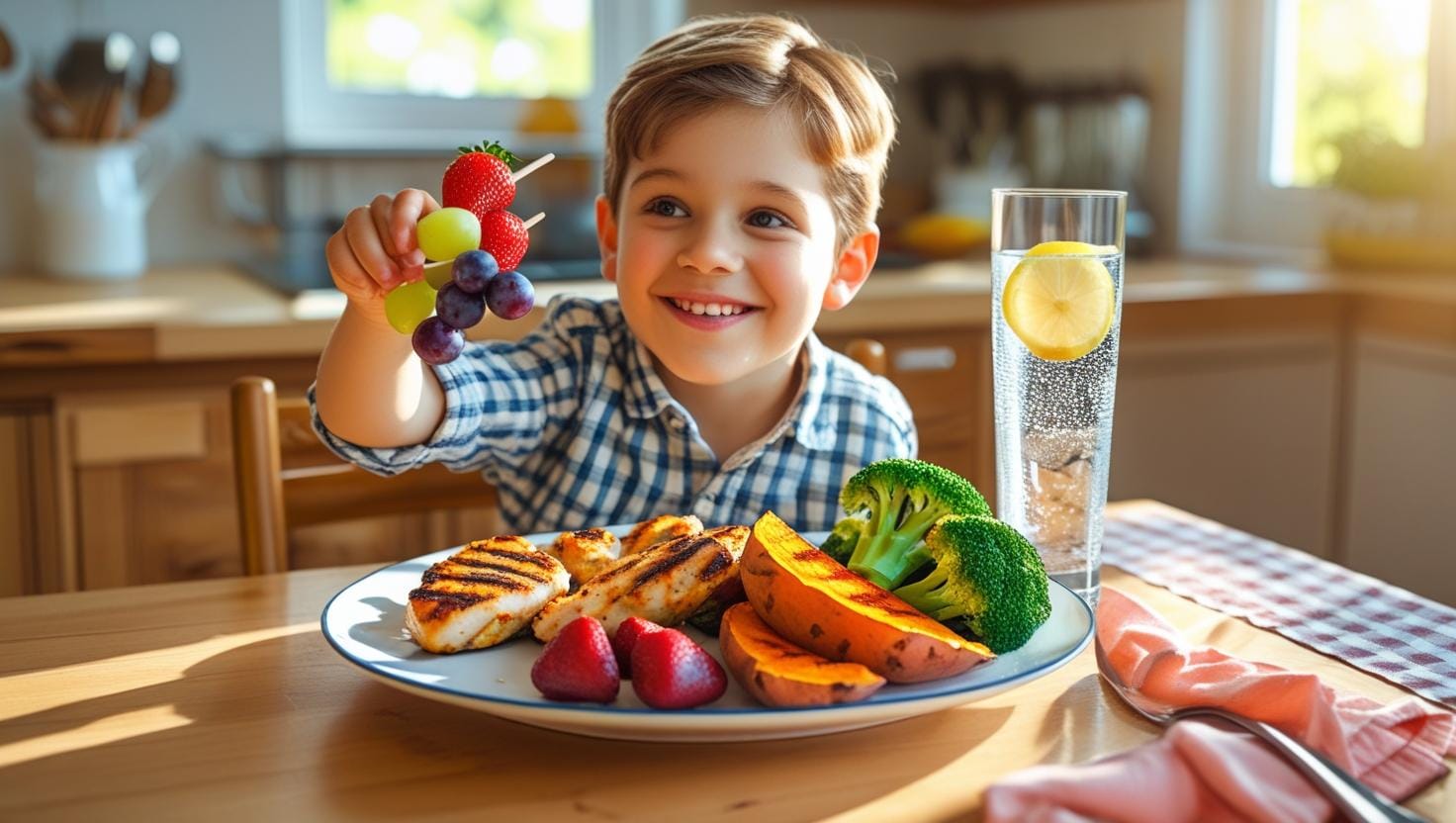
Discover healthy meals for kids with expert tips, recipes, and fun ideas to make nutrition easy, tasty, and stress-free.
Raising children with healthy eating habits is one of the most valuable investments parents can make in their future. The foods we provide to our kids not only fuel their bodies for growth, play, and learning but also shape their long-term relationship with nutrition and wellness. In today’s world of fast food, sugar-laden snacks, and endless marketing aimed at children, finding practical, balanced, and delicious meal solutions can feel overwhelming. This expert guide breaks down everything parents need to know about healthy meals for kids—from nutritional basics to fun, creative recipes that children actually enjoy.
Introduction to Healthy Meals for Kids
Children require a carefully balanced diet to support their rapid growth, cognitive development, and boundless energy levels. Unlike adults, kids are still building strong bones, muscles, and immune systems, meaning their nutritional needs are unique and ever-changing. Healthy meals for kids should never feel bland or restrictive; instead, they can be colorful, flavorful, and enjoyable while still packed with nutrients.
Parents often ask: What exactly makes a meal “healthy” for children? The answer lies in balance. A plate that includes a good mix of protein, complex carbohydrates, healthy fats, vitamins, and minerals will support steady growth and help prevent chronic illnesses later in life.
Why Nutrition Matters for Children’s Growth
Children’s bodies and brains are under construction every single day. Nutrition plays a key role in:
Physical Growth: Calcium, protein, and vitamin D strengthen bones and muscles.
Brain Development: Omega-3 fatty acids, iron, and B-vitamins enhance memory, focus, and learning.
Immunity: Vitamins A, C, and zinc defend against infections and keep kids strong.
Energy and Play: Complex carbohydrates and healthy fats ensure sustained energy for school and play.
Without proper nutrition, children may face fatigue, poor academic performance, stunted growth, frequent illnesses, or long-term health risks like obesity, diabetes, or cardiovascular problems.
Common Challenges Parents Face in Planning Meals
Parents want the best for their children, but healthy eating isn’t always easy. Some common challenges include:
Picky Eaters: Kids rejecting vegetables or new flavors.
Busy Schedules: Lack of time to cook from scratch.
Marketing Influence: Exposure to junk food advertising.
Budget Limits: Belief that healthy food costs more.
Allergies & Intolerances: Difficulty finding safe, nutritious alternatives.
The good news? With the right strategies and recipes, all of these hurdles can be overcome.
Key Nutritional Needs for Children
Essential Macronutrients (Protein, Carbs, Healthy Fats)
Protein: Builds muscles, repairs tissues, supports immunity. Sources: eggs, beans, chicken, fish, yogurt, tofu.
Carbohydrates: Provide the body’s main energy. Focus on whole grains, oats, quinoa, brown rice, and starchy vegetables instead of sugary snacks.
Healthy Fats: Vital for brain development. Include avocados, olive oil, salmon, chia seeds, and nut butters.
Vital Micronutrients (Vitamins & Minerals for Kids)
Calcium & Vitamin D: Essential for strong bones and teeth.
Iron: Supports healthy blood and prevents fatigue.
Vitamin C: Strengthens immunity and aids iron absorption.
B Vitamins: Support energy metabolism and brain function.
Magnesium & Zinc: Aid growth, digestion, and cell repair.
Recommended Daily Calorie Intake by Age Group
Toddlers (1–3 years): 1000–1400 calories
Preschoolers (4–5 years): 1200–1600 calories
Kids (6–8 years): 1400–1800 calories
Preteens (9–12 years): 1600–2200 calories
Teens (13–18 years): 1800–2800 calories (depending on activity level)
These are averages, and individual needs vary based on activity, metabolism, and growth spurts.
Principles of Designing Healthy Meals for Kids
Balancing Taste with Nutrition
Children are more likely to eat healthy meals when food tastes good. Use mild herbs, natural sweetness from fruits, and fun textures to make nutritious meals appealing.
Portion Sizes and Age-Appropriate Serving
A simple rule: small tummies need small portions. Serve kid-sized meals and allow seconds if they are still hungry. Overloading plates can overwhelm kids and lead to picky behavior.
Importance of Hydration and Healthy Drinks
Children often mistake thirst for hunger. Encourage water over sugary drinks. Flavor water with lemon, cucumber, or berries for fun. Milk (dairy or fortified plant-based) can provide calcium and protein, while freshly blended smoothies are a nutrient-rich treat.
Quick and Easy Healthy Breakfast Ideas for Kids
High-Protein Breakfast Options
Greek yogurt with berries and granola
Scrambled eggs with spinach and cheese
Peanut butter and banana smoothie
Whole-Grain and Fiber-Rich Choices
Overnight oats with apple slices and cinnamon
Whole-grain waffles topped with almond butter
Multigrain toast with mashed avocado
Fun and Creative Morning Meals Kids Will Love
Fruit kabobs with yogurt dip
Mini veggie muffins baked in colorful silicone cups
Pancakes shaped into animals with fruit “faces”
Nutritious Lunch Ideas for Kids
School Lunchbox-Friendly Recipes
Whole-wheat wraps with turkey and veggies
Mini pasta salad with chickpeas and cheese cubes
Bento box with hummus, veggie sticks, crackers, and grapes
Balanced Home Lunches with Protein & Veggies
Grilled chicken with roasted sweet potatoes
Salmon rice bowls with broccoli
Lentil soup with whole-grain bread
Allergy-Friendly Lunch Alternatives
Sunflower butter and jelly sandwiches
Gluten-free pasta with veggie-loaded sauce
Dairy-free quesadillas with beans and avocado
Healthy Dinner Recipes for Kids
One-Pot Family Meals for Busy Evenings
Chicken and vegetable stir-fry with brown rice
Turkey chili with beans and corn
Baked salmon with quinoa and green beans
Creative Ways to Add Vegetables
Hidden veggie pasta sauce (carrots, zucchini, spinach blended in)
Cauliflower mashed “potatoes”
Pizza with veggie toppings shaped like smiley faces
Kid-Friendly Versions of Classic Dishes
Baked chicken nuggets instead of fried
Whole-wheat mac and cheese with hidden carrots
Healthier burgers made with turkey or lentils
Healthy Snacks for Kids
Easy Homemade Snack Options
Apple slices with peanut butter
Energy balls made from oats, honey, and nuts
Veggie sticks with hummus
Packaged Snacks to Choose Wisely
Look for snacks with:
Less than 6g of sugar per serving
Whole grains as the first ingredient
No artificial colors or preservatives
Sweet but Healthy Dessert Alternatives
Frozen banana ice cream
Yogurt parfaits with fresh fruit
Baked apples with cinnamon
Tips for Picky Eaters
Strategies to Encourage Healthy Eating
Offer variety without pressure.
Pair new foods with familiar favorites.
Set a positive example by eating veggies yourself.
Fun Food Presentation Tricks
Cut sandwiches into fun shapes.
Create “rainbow plates” with colorful produce.
Use skewers or toothpicks to make bite-sized snacks.
How to Gradually Introduce New Foods
Start with small portions.
Repeat exposure—kids may need to see a food 10+ times.
Involve kids in cooking to spark interest.
Meal Prep & Planning for Kids’ Nutrition
Weekly Meal Plan Examples
Monday: Oatmeal, turkey wraps, baked salmon
Tuesday: Smoothie bowl, lentil soup, chicken stir-fry
Wednesday: Avocado toast, pasta salad, veggie pizza
Thursday: Yogurt parfait, grilled chicken, turkey chili
Friday: Pancakes, quinoa bowl, homemade burgers
Budget-Friendly Healthy Meal Ideas
Buy frozen vegetables—they are cheaper and just as nutritious.
Cook in bulk and freeze portions.
Use beans, eggs, and lentils as affordable protein sources.
Time-Saving Tips for Busy Parents
Prep veggies in advance.
Batch-cook grains like rice or quinoa.
Use slow cookers or Instant Pots for easy meals.
Involving Kids in the Kitchen
Age-Appropriate Cooking Tasks
Toddlers: Wash produce, stir ingredients
Preschoolers: Tear lettuce, sprinkle cheese
School-aged kids: Measure ingredients, use safe knives
Teens: Cook simple dishes under supervision
Benefits of Cooking Together
Builds confidence
Strengthens family bonds
Encourages kids to try new foods they helped prepare
Making Healthy Eating a Family Habit
Eat meals together at the table.
Avoid screens during meals.
Share cooking responsibilities with all family members.
Expert Tips from Pediatric Nutritionists
Common Mistakes to Avoid in Kids’ Diets
Too much processed food
Excessive juice and sugary drinks
Skipping breakfast
Over-restricting treats, which can backfire
Supplements: When Are They Necessary?
Supplements should never replace real food but may help kids with deficiencies, picky eating habits, or restricted diets (e.g., vegetarian). Always consult a pediatrician first.
Importance of Regular Health Checkups
Routine checkups allow doctors to monitor growth, iron levels, and overall nutritional health—ensuring kids stay on track.
FAQs on Healthy Meals for Kids
What are the best quick meals for kids?
Smoothies, wraps, yogurt parfaits, and veggie-packed pasta are quick and kid-approved.
How do I get my child to eat more vegetables?
Make veggies fun—offer dips, mix them into sauces, or present them in colorful arrangements.
Are plant-based diets safe for children?
Yes, if carefully planned with protein, B12, iron, and calcium sources.
How many meals and snacks should kids eat daily?
3 main meals + 2 healthy snacks usually works best.
What foods should kids avoid completely?
Sugary sodas, energy drinks, highly processed snacks, and foods with artificial colors.
How to make meal prep less stressful for parents?
Plan ahead, cook in batches, and involve kids in preparation.
Conclusion: Building Lifelong Healthy Eating Habits
Creating healthy meals for kids is not just about what’s on their plates—it’s about shaping a lifestyle. When children learn to enjoy balanced, colorful, and tasty meals from a young age, they carry those habits into adulthood. Parents play the most powerful role: by modeling healthy eating, involving kids in meal prep, and making food fun, they build a foundation for lifelong health and happiness.
Healthy meals for kids are not about restriction, but about nourishment, creativity, and love.