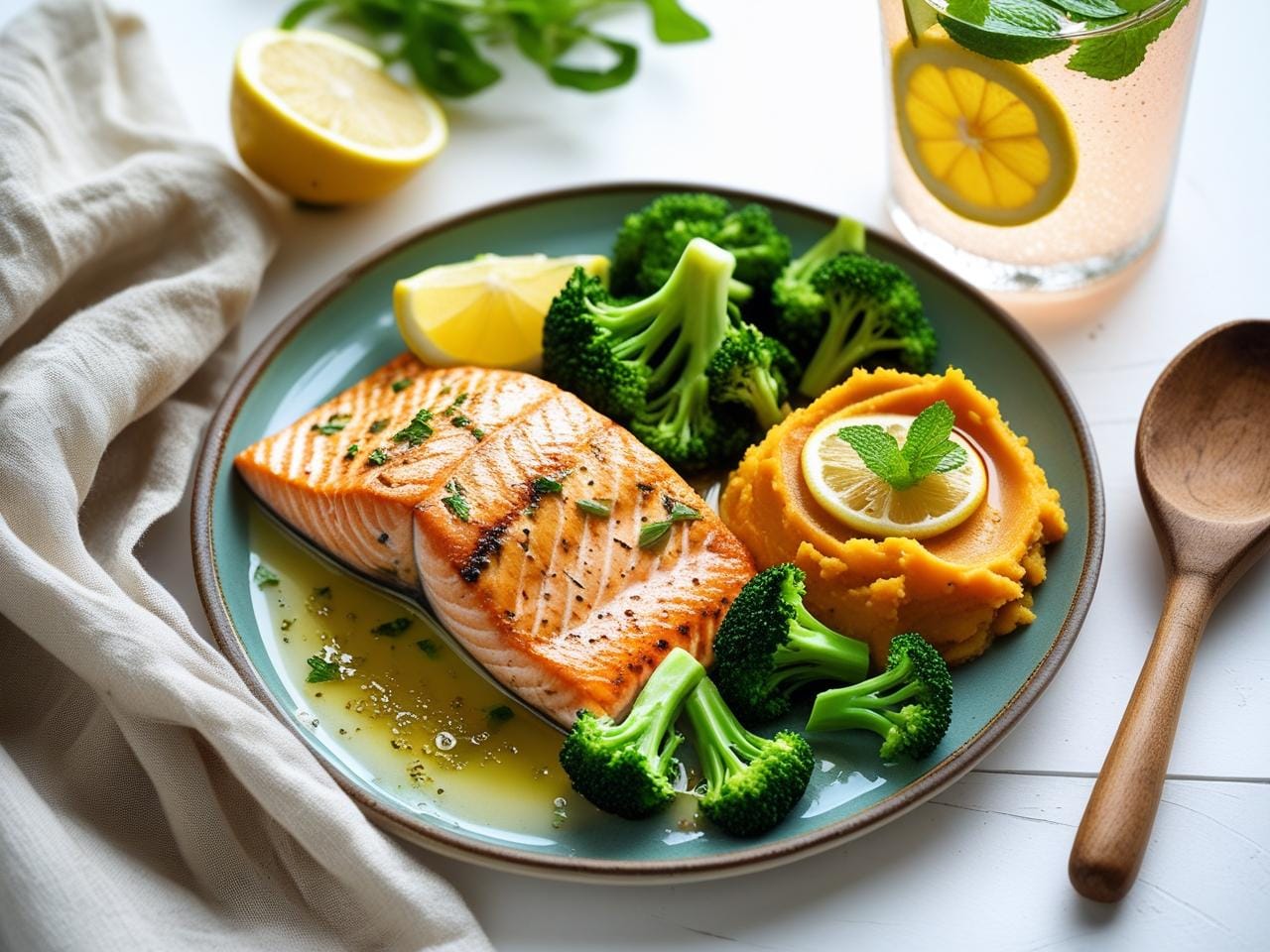
Discover healing meals and nutrition tips for cancer patients to boost energy, fight fatigue, and support recovery during treatment.
Introduction to Healthy Eating During Cancer Treatment
The journey through cancer treatment is deeply personal, physically challenging, and emotionally draining. Amid the fatigue, doctor visits, medications, and therapies, food often becomes either a source of comfort or a struggle. For cancer patients, healthy meals are not just about filling the stomach—they are powerful tools that support healing, sustain energy, reduce side effects, and enhance overall well-being.
Eating during cancer treatment is often complicated by nausea, changes in taste, or reduced appetite, yet the body’s nutritional needs increase significantly. Proper nutrition provides strength for daily activities, aids the immune system, and helps the body recover after chemotherapy, radiation, or surgery. When chosen wisely, meals can transform into medicine, supporting both body and spirit.
This nutrition guide offers practical, evidence-based advice on preparing healthy meals for cancer patients, highlighting foods that heal, recipes that comfort, and dietary approaches that improve strength and resilience.
Why Nutrition Matters in Cancer Recovery
Nutrition is more than just calories. For cancer patients, it becomes a frontline ally in fighting fatigue, maintaining weight, and preserving muscle mass. During treatment, the body works harder than usual—repairing tissues, fighting infections, and processing medications. Each nutrient plays a role in recovery:
Proteins rebuild damaged cells.
Carbohydrates fuel energy and stamina.
Fats provide concentrated calories for those struggling to eat enough.
Vitamins and minerals act as catalysts for healing.
Healthy meals also help patients cope better with treatment side effects. For instance, foods rich in antioxidants may protect healthy cells, while high-protein dishes support wound healing after surgery. Adequate nutrition reduces hospital stays, improves response to treatment, and enhances quality of life.
Role of Food in Boosting Immunity and Energy
Cancer treatments often suppress the immune system, making patients vulnerable to infections. Food becomes a shield:
Vitamin C from citrus fruits, berries, and bell peppers strengthens immune defenses.
Zinc-rich foods like pumpkin seeds and beans help repair tissues.
Probiotic-rich meals such as yogurt or kefir balance gut bacteria, supporting digestion and immunity.
Energy is equally vital. Cancer-related fatigue can be overwhelming, but meals balanced with complex carbohydrates (oats, brown rice, sweet potatoes) paired with proteins keep energy levels steady throughout the day.
Thus, every bite counts—food is both nourishment and medicine.
Nutritional Needs of Cancer Patients
Macronutrients: Proteins, Carbohydrates, and Fats
Proteins: Essential for repairing tissues damaged by chemotherapy and radiation. Lean meats, fish, tofu, lentils, and eggs are excellent sources. Patients who lose weight quickly benefit from protein shakes or fortified smoothies.
Carbohydrates: Choose slow-digesting carbs like whole grains, oats, and quinoa for sustained energy. Avoid refined sugars that cause blood sugar spikes and fatigue crashes.
Fats: Healthy fats, particularly omega-3s from salmon, walnuts, and flaxseeds, reduce inflammation and support brain function.
Micronutrients: Essential Vitamins & Minerals
Iron helps combat treatment-related anemia. Found in spinach, beans, and fortified cereals.
Calcium and Vitamin D maintain bone strength, often weakened during cancer treatment.
B vitamins support energy metabolism and nerve health.
Hydration and Its Importance in Healing
Hydration is often overlooked, yet it is as critical as food. Chemotherapy drugs and radiation dehydrate the body. Adequate water, herbal teas, coconut water, or broth-based soups prevent kidney strain, ease constipation, and reduce fatigue. Patients should aim for 8–12 cups daily, adjusting based on treatment side effects.
Challenges Cancer Patients Face with Eating
Managing Nausea, Vomiting, and Appetite Loss
Small, frequent meals with bland foods like rice, bananas, and toast reduce nausea.
Ginger tea, peppermint water, or lemon-infused drinks provide natural relief.
High-calorie smoothies ensure nutrition when appetite is low.
Coping with Taste Changes and Mouth Sores
Metallic tastes from chemotherapy can be countered with plastic utensils instead of metal.
Mouth sores require soft foods: oatmeal, yogurt, mashed potatoes, or blended soups.
Flavor-enhancing herbs such as basil, parsley, and cinnamon improve palatability.
Digestive Issues: Constipation, Diarrhea, and Acid Reflux
Constipation: Fiber-rich fruits, prunes, and hydration help.
Diarrhea: Bananas, rice, applesauce, and toast stabilize digestion.
Acid reflux: Avoid spicy, fried foods; choose steamed or baked dishes.
Best Foods for Cancer Patients
High-Protein Foods for Muscle Recovery
Chicken, turkey, tofu, beans, eggs, Greek yogurt, and protein shakes.
Fiber-Rich Foods for Digestion
Whole grains, chia seeds, lentils, peas, and leafy greens.
Antioxidant-Rich Fruits and Vegetables
Blueberries, strawberries, spinach, kale, broccoli, carrots, and tomatoes.
Healthy Fats for Energy and Brain Function
Avocados, olive oil, salmon, walnuts, flaxseeds, and chia seeds.
Healthy Meal Ideas for Cancer Patients
Breakfast Options for Energy Boost
Oatmeal with almond butter and blueberries.
Scrambled eggs with spinach and avocado toast.
Smoothies with banana, peanut butter, and protein powder.
Nourishing Lunch Recipes
Lentil soup with whole-grain bread.
Grilled salmon with quinoa and roasted vegetables.
Chickpea salad with olive oil dressing.
Easy-to-Digest Dinner Meals
Baked chicken with mashed sweet potatoes.
Vegetable stir-fry with brown rice.
Creamy pumpkin soup with soft bread.
Snacks and Smoothies for Extra Calories
Trail mix with nuts, dried fruits, and seeds.
Greek yogurt with honey.
Mango and spinach smoothie with protein powder.
Meal Preparation Tips for Cancer Patients
Easy-to-Cook and Quick Meals
Batch cooking and freezing portions saves time and energy.
Soft Foods and Pureed Meals for Swallowing Difficulty
Mashed potatoes, blended soups, smoothies, and applesauce.
Meal Planning for Energy and Convenience
Plan balanced meals ahead to reduce stress. Use slow cookers, blenders, and easy-to-handle kitchen tools.
Foods to Avoid During Cancer Treatment
Processed and Sugary Foods
Avoid candy, soda, fried foods, and packaged snacks that provide empty calories.
Raw and Undercooked Foods
Reduce risk of infection by avoiding raw sushi, undercooked meat, and unwashed produce.
Foods That Trigger Side Effects
Spicy, greasy, and heavily seasoned foods often worsen nausea and reflux.
Special Diet Plans for Cancer Patients
Plant-Based Diet Benefits
Rich in fiber, antioxidants, and phytochemicals, plant-based meals support healing and reduce inflammation.
Anti-Inflammatory Diet Choices
Incorporating turmeric, ginger, leafy greens, and fatty fish reduces treatment-related inflammation.
High-Calorie Diet for Weight Maintenance
For patients losing weight, focus on calorie-dense foods: nut butters, smoothies, avocados, and full-fat dairy.
Expert Recommendations and Guidelines
Role of Oncology Dietitians
Specialized dietitians design meal plans tailored to treatment stages, weight goals, and food tolerances.
Evidence-Based Nutrition Tips
Eat smaller, frequent meals.
Include protein in every dish.
Stay hydrated consistently.
Limit processed foods.
Frequently Asked Questions (FAQs)
What are the best foods for cancer patients during chemotherapy?
Soft, protein-rich meals like scrambled eggs, yogurt, smoothies, and baked fish.
How can cancer patients maintain weight with healthy meals?
Add calorie-dense foods like nut butters, olive oil, cheese, and protein shakes.
Are supplements necessary for cancer patients?
Sometimes, especially for vitamin D, iron, or omega-3s—but always consult a doctor.
What drinks are best for hydration during treatment?
Water, herbal teas, coconut water, broth, and diluted fruit juices.
Can cancer patients follow a vegetarian diet?
Yes, with careful planning to ensure adequate protein (lentils, beans, tofu, tempeh).
Which foods should cancer patients avoid completely?
Raw or undercooked foods, heavily processed items, alcohol, and unpasteurized products.
Conclusion: The Healing Power of Healthy Meals for Cancer Patients
The path through cancer treatment is not easy, but healthy meals for cancer patients act as a foundation of healing, resilience, and hope. From high-protein breakfasts to soothing soups, from antioxidant-rich fruits to energy-boosting snacks, every dish has the potential to support strength and comfort. By choosing the right foods, planning simple meals, and working with dietitians, patients can nourish their bodies and spirits.
Food is not just fuel—it is part of the healing process.