

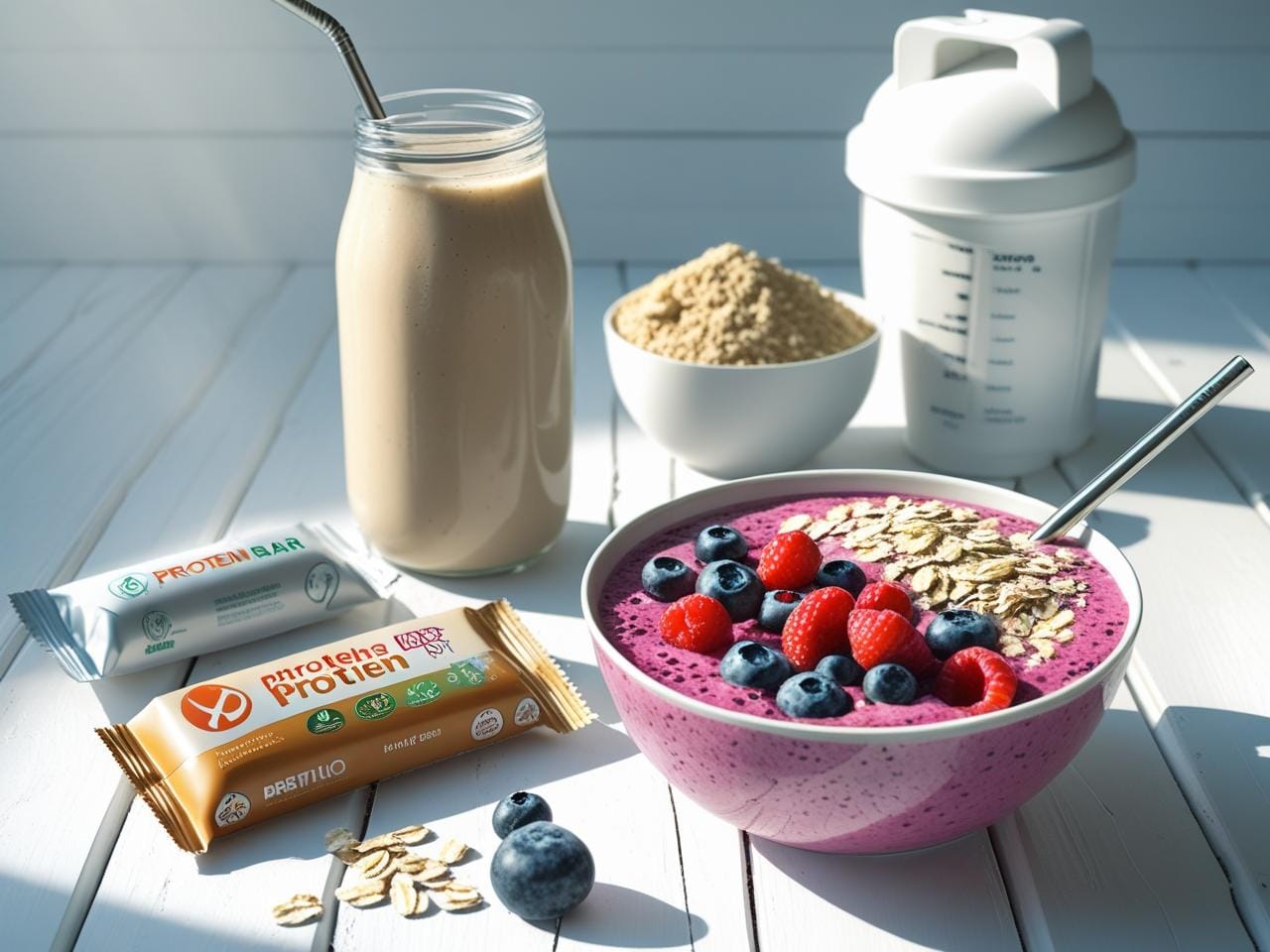
Discover the best meal replacement options for weight loss, muscle gain, and busy lifestyles. Compare shakes, smoothies, bars, powders, and homemade meals to find the healthiest, most convenient choice for your goals.
In today’s fast-paced world, where balancing work, family, fitness, and personal wellness often feels like juggling fire, meal replacements have stepped in as a practical solution for many. Whether you’re a busy professional racing between meetings, a fitness enthusiast trying to maximize protein intake, or someone focused on weight loss and calorie control, meal replacements promise convenience without (ideally) sacrificing nutrition.
But here comes the big question: Which meal is actually best for meal replacement? With so many options—smoothies, shakes, protein bars, powders, and even DIY bowls—the answer is not always simple. This guide dives deep into the science, nutrition, and practicality behind meal replacements so you can make the smartest choice for your body, goals, and lifestyle.
Understanding Meal Replacements: What They Are and Why They Matter
Meal replacements are not just another diet trend; they’re a tool that, when used wisely, can help bridge the gap between health goals and everyday demands.
Definition of Meal Replacements
A meal replacement is any product—such as a shake, smoothie, bar, or powder—designed to substitute a regular meal while still providing essential macronutrients (protein, carbohydrates, healthy fats) and micronutrients (vitamins and minerals). Unlike simple snacks, they are intended to keep you full, energized, and nutritionally balanced.
Keywords integrated here: meal replacement shakes, protein shake replacement, best healthy shake, whole food replacement shakes, diet shakes for weight loss, nutrition shakes, balanced shake replacements, complete meal powder.
Benefits of Meal Replacement Meals
Why have meal replacements grown so popular?
Convenience: Instead of cooking or meal prepping, you get quick nutrition in minutes.
Calorie Control: Pre-portioned shakes or bars make it easier to avoid overeating.
Weight Loss Support: Many studies show meal replacements help people reduce daily calorie intake and stay on track.
Nutritional Consistency: Provides predictable macronutrient ratios, unlike fast food.
Variety: From vegan protein shakes to high-protein smoothies, the options cater to different dietary needs.
Keywords: meal replacement benefits, low-calorie meal replacement, healthy weight loss shakes, protein bars as meal replacements, shake diet, balanced nutrition shakes, energy bars for meals.
Common Myths About Meal Replacements
Let’s clear up a few misconceptions:
Myth 1: Meal replacements are only for weight loss.
Truth: They’re also used for muscle gain, endurance training, or simple convenience.
Myth 2: They’re just protein shakes.
Truth: A true meal replacement contains protein, carbs, fats, fiber, and micronutrients—not just protein.
Myth 3: They’re unhealthy “processed junk.”
Truth: Quality varies widely. Some are indeed sugar-heavy, while others are crafted with whole-food powders, plant proteins, and natural fiber.
Keywords: myths about meal replacements, whole food vs shake, healthy replacement meals, best complete meal shake.
Key Nutritional Requirements of a Good Meal Replacement
A proper meal replacement is more than calories in a bottle—it should mimic the nutritional profile of a balanced meal.
Macronutrients: Protein, Carbs, and Healthy Fats
Protein: Keeps you full, supports muscle repair. Aim for 15–30g per meal replacement.
Carbohydrates: Needed for energy; choose complex carbs like oats or brown rice powder.
Fats: Healthy fats (avocado, flax, chia, almond butter) help absorption of fat-soluble vitamins and extend satiety.
Keywords: high-protein meal replacement, low-carb shakes, keto meal replacement, vegan protein shake meal, healthy fat sources for shakes.
Micronutrients: Essential Vitamins and Minerals
Look for meal replacements with:
Vitamin D, B12, Iron (for energy)
Calcium, Magnesium (for bone health)
Zinc, Selenium (immune support)
Keywords: nutrient-rich shakes, vitamin-packed smoothies, best mineral meal replacements.
Fiber and Satiety
Fiber slows digestion and prevents blood sugar spikes. 5–10g per serving is ideal. Oats, chia, psyllium husk, and flaxseed are great options.
Keywords: fiber-rich meal replacement, high-fiber shakes, satiety shakes for weight loss.
Calorie Considerations for Weight Management
Weight Loss: 200–350 calories per shake.
Maintenance: 350–500 calories.
Muscle Gain: 500+ calories with extra protein and carbs.
Keywords: low-calorie replacement shakes, weight loss smoothies, bulking shakes, 500 calorie meal replacement.
Best Meals for Meal Replacement: A Detailed Breakdown
Let’s analyze the main categories of meal replacements.
Smoothies and Shakes
High-Protein Smoothies
Blended with Greek yogurt, whey, oats, peanut butter, and fruit. Great for fitness enthusiasts.
Keywords: protein smoothie meal replacement, whey protein smoothie, bodybuilding shakes.
Plant-Based Shakes
Made with pea, hemp, or soy protein. Ideal for vegans and vegetarians.
Keywords: vegan meal replacement shake, plant protein shake, dairy-free replacement shake.
Protein Bars
Low-Sugar Options
Choose bars with <10g sugar and natural sweeteners.
Balanced Energy Bars
Bars with protein, fiber, and complex carbs (e.g., oats, nuts, seeds).
Keywords: protein bar meal replacement, best energy bars, low sugar protein bar, balanced bar replacement.
Pre-Packaged Meal Replacement Powders
Convenient powders you mix with water or milk. Some include probiotics and greens.
Keywords: meal powder shake, travel-friendly shake, instant shake mix.
Homemade Meal Replacement Meals
Balanced Bowls (Grain + Protein + Veggies)
Brown rice, grilled chicken, and broccoli.
Overnight Oats with Protein Boost
Rolled oats with almond milk, chia seeds, and protein powder.
Keywords: DIY meal replacement, homemade shake, overnight oats for weight loss, protein oats meal.
Comparing Different Meal Replacement Options
Meal Replacement Shakes vs Whole Meals
Shakes are convenient but lack the chewing satisfaction of real food. Whole meals provide more fiber variety.
Store-Bought vs Homemade Meal Replacements
Store-bought = convenient, consistent.
Homemade = customizable, whole-food based.
Cost, Convenience, and Nutrition Trade-offs
Shakes: Fast but may be pricey.
Bars: Portable but less filling.
DIY meals: Cheaper but time-consuming.
Keywords: store bought shakes vs homemade, meal replacement cost, convenience vs nutrition.
Best Meal Replacements for Specific Goals
For Weight Loss
Low-calorie, high-protein, fiber-packed shakes (200–300 calories).
For Muscle Gain
High-protein + carb-heavy shakes (500+ calories).
For Busy Professionals & On-the-Go Lifestyles
Protein bars or powders with shaker bottles.
For Vegetarians and Vegans
Plant-based shakes with B12 and iron.
Keywords: meal replacements for weight loss, shakes for muscle gain, busy lifestyle shakes, vegan replacement meal.
Things to Avoid in Meal Replacement Options
Excessive Added Sugars
Hidden sugars spike insulin. Look for <10g sugar.
Artificial Ingredients and Fillers
Avoid unnecessary gums, dyes, or synthetic flavors.
Low-Protein and Low-Fiber Choices
These won’t keep you full.
Keywords: bad meal replacements, unhealthy shakes, avoid sugar shakes.
Expert Recommendations and Tips
How Many Meals Can You Replace Per Day?
1–2 per day is safe; balance with whole foods.
When to Use Meal Replacements
Best used for breakfast, post-workout, or busy days.
Combining Meal Replacements with Whole Foods
Mix in fruit, nuts, or side salads for balance.
Keywords: meal replacement tips, expert shake advice, dietitian meal replacement guide.
FAQs on Which Meal is Best for Meal Replacement
Can meal replacements replace all meals in a day?
Not recommended long-term—whole foods are essential.
Are meal replacements safe for diabetics?
Yes, if low in sugar and high in fiber.
What is the healthiest meal replacement option?
One with protein, healthy fats, fiber, and micronutrients.
Can meal replacements help with weight loss?
Yes—when combined with calorie control.
Should athletes use meal replacements?
Absolutely, especially post-training.
What’s the difference between meal replacements and protein shakes?
Protein shakes = protein only. Meal replacements = full nutrition.
Keywords: diabetic-friendly shakes, athlete meal replacement, healthiest meal replacement.
Conclusion: Choosing the Best Meal for Meal Replacement
The best meal replacement depends on your goal, diet preference, and lifestyle. For weight loss, go for low-calorie high-protein shakes. For muscle gain, pick calorie-dense smoothies. For busy schedules, grab protein bars or powders. And for clean eating, try DIY meals like protein oats or balanced bowls.
Ultimately, meal replacements are a tool—not a total replacement for whole foods. Use them wisely, and they can help you save time, control calories, build muscle, and stay energized.
Keywords to close: best meal replacement shake, complete nutrition shake, healthy protein shake, diet replacement shake, fast meal replacement, top shakes for weight loss, vegan nutrition shake, balanced smoothie meal replacement, quick meal solution, meal replacement for busy lifestyles.


Your blog is a treasure trove of knowledge! I’m constantly amazed by the depth of your insights and the clarity of your writing. Keep up the phenomenal work!