

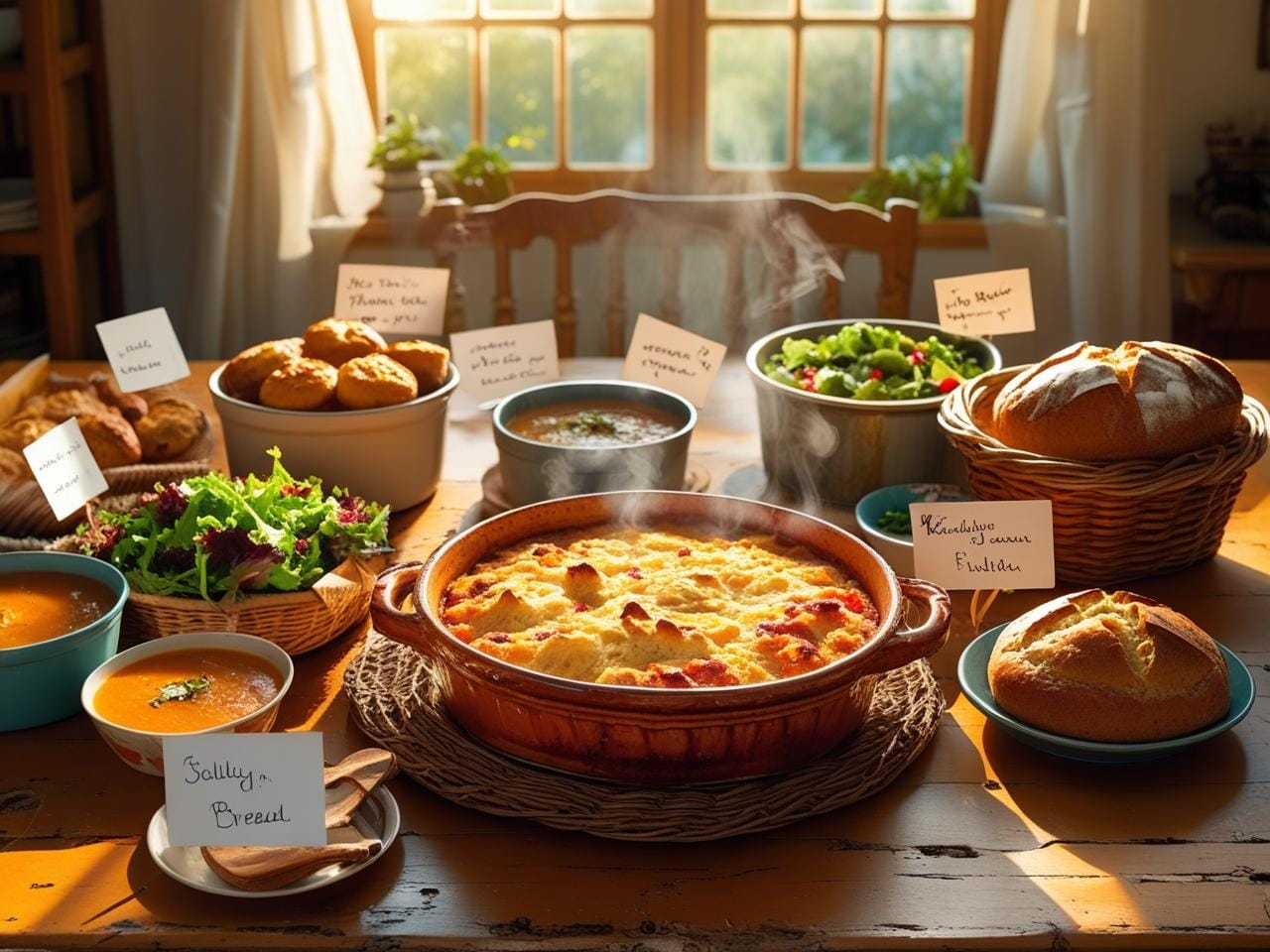
Discover the best meal train recipes with comforting, easy-to-reheat dishes plus tips on packing, etiquette, and thoughtful extras.
Introduction to Meal Trains
There are few gestures more heartfelt than bringing someone a warm, home-cooked meal during a season of need. When words feel insufficient, food becomes an unspoken language of compassion, comfort, and connection. This is where the idea of a meal train shines—a coordinated act of kindness where friends, neighbors, coworkers, or community members take turns delivering meals to a household navigating life changes.
From the arrival of a newborn, to recovery after surgery, to the heavy days of grief, meal trains remind families that they are not alone. Food nourishes the body, but just as importantly, it feeds the soul. A hot lasagna delivered in a casserole dish says: “We’re here for you.” A container of homemade chicken soup communicates warmth and healing. A batch of cookies tucked alongside dinner brings sweetness to an otherwise heavy day.
This guide explores everything you need to know about preparing the best meal for meal train deliveries—from choosing dishes that are comforting, balanced, and easy to reheat, to understanding dietary needs, packaging meals thoughtfully, and avoiding common mistakes. We’ll also share 20+ meal train recipe ideas and dozens of tips for making your meal memorable. By the end, you’ll feel fully equipped to participate in a meal train with confidence and care.
What Is a Meal Train?
A meal train is more than just a schedule of dinners—it’s a lifeline of love and practical support. At its simplest, a meal train is a system where people sign up for specific dates to provide meals for a family or individual going through a major life event.
Instead of everyone dropping off food on the same day (resulting in a fridge stuffed with four lasagnas), a meal train spreads out the deliveries. Families receive consistent meals, often for weeks, easing the burden of cooking during times when energy is low.
Typical occasions for meal trains include:
Welcoming a new baby – When parents are exhausted, a warm meal helps them focus on bonding and resting.
Medical recovery – After surgery or illness, cooking can be overwhelming or impossible.
Grief support – Food provides comfort when words fail.
Life transitions – Moving, job loss, or caregiving responsibilities are easier with community support.
Meal trains represent the best of community spirit: a circle of care where each person contributes a piece of nourishment and comfort.
Why Meal Trains Matter for Families and Communities
The importance of meal trains goes far beyond calories. The best meal for meal train deliveries provides:
Practical relief – Families don’t need to plan, shop, or cook.
Emotional comfort – Knowing someone thought about you is profoundly uplifting.
Time saved – New parents or caregivers can rest or focus on loved ones instead of spending energy in the kitchen.
Stronger community ties – A meal train fosters connections, often deepening friendships or neighborly bonds.
When you show up with food, you’re offering a tangible reminder: “You’re not alone. We care.”
When to Organize or Join a Meal Train
Meal trains can be organized for almost any situation where extra support is needed. Some common examples include:
After childbirth or adoption – Families adjusting to a new baby often struggle with the basics of cooking.
During illness or surgery recovery – Nutritious, easy meals help the healing process.
Supporting caregivers – When someone is caring for an elderly or ill family member, meals reduce stress.
Grieving households – Food becomes a silent companion in times of mourning.
Moving or major transitions – A ready meal makes a chaotic week smoother.
If you’re wondering whether your help is needed, the answer is usually yes. Even the simplest dish, when given with thoughtfulness, makes an enormous impact.
How to Choose the Best Meal for Meal Train
The heart of choosing the best meal for meal train is thoughtfulness. Ask yourself: Will this dish be comforting? Will it reheat well? Will the family enjoy it?
Considering Dietary Needs and Restrictions
Before you plan your dish, check for dietary restrictions. A carefully prepared meal loses its value if the family can’t eat it.
Allergies (Gluten-Free, Nut-Free, Dairy-Free Options)
Gluten-Free: Try rice-based casseroles, corn tortillas, or gluten-free pasta bakes.
Nut-Free: Avoid pesto with pine nuts, peanut sauces, or baked goods with nut flours.
Dairy-Free: Coconut milk curries, tomato-based pastas, and dairy-free baked goods work well.
Religious or Cultural Preferences
Halal or kosher-friendly meals ensure respect for faith.
Avoid beef or pork when cooking for Hindu or Muslim households.
Vegetarian dishes often feel safe and universally appreciated.
Kid-Friendly vs. Adult-Friendly Meals
Kid-friendly: Pizza kits, mac and cheese, spaghetti, chicken nuggets with veggie sides.
Adult-friendly: Curries, grain bowls, roasted salmon with vegetables, or gourmet salads.
Balancing Nutrition and Comfort
A great meal balances nourishment with comfort. Aim for:
Protein (chicken, beef, lentils, beans, tofu)
Vegetables (fresh or roasted for color and nutrients)
Starch/Grain (rice, pasta, potatoes, quinoa)
Comfort factor (cheese, warm bread, a sweet treat)
Portion Sizes and Storage Tips
Cook for 4–6 servings unless otherwise requested.
Use freezer-friendly containers.
Label everything clearly: “Chicken Enchiladas – Serves 4 – Reheat at 350°F for 25 min.”
Split large meals into two smaller pans—families can eat one now and freeze the other.
Best Meal Categories for Meal Train Success
Freezer-Friendly Casseroles
These are the backbone of meal trains—easy to reheat, filling, and familiar.
Chicken enchilada bake
Baked ziti with ricotta
Shepherd’s pie with fluffy mashed potatoes
Slow Cooker and Instant Pot Meals
Perfect for big batches and tender, flavorful meals.
Pulled pork with rolls
Beef stew with root vegetables
Lentil curry with rice
Easy-to-Reheat Soups and Stews
Soups are healing and versatile.
Classic chicken noodle
Chili (beef or vegetarian)
Minestrone or vegetable stew
Healthy Salads, Bowls, and Wraps
Ideal for lighter appetites or health-conscious families.
Mediterranean grain bowls
Taco salad kits
Chicken Caesar wraps
Breakfast and Brunch Options
Morning meals often get overlooked.
Overnight French toast bake
Breakfast burritos
Banana bread with yogurt cups
Snacks, Baked Goods, and Desserts
Sometimes a treat is just as meaningful as dinner.
Brownies, cookies, or muffins
Homemade granola bars
Energy bites or trail mix
Top 20 Meal Ideas for Meal Train
Classic Comfort Foods
Lasagna
Chicken pot pie
Mac & cheese
Meatloaf with mashed potatoes
Beef stroganoff
Lighter & Health-Conscious Meals
Quinoa and roasted veggie bowls
Chicken stir-fry with brown rice
Sheet-pan salmon with asparagus
Turkey lettuce wraps
Grilled chicken with Greek salad
Family-Friendly Favorites
Taco kits with toppings
DIY pizza night kits
Pasta bake with hidden veggies
Sloppy joes with buns
Burgers and toppings bar
Vegetarian & Vegan Options
Chickpea curry
Lentil shepherd’s pie
Stuffed peppers with quinoa
Vegan chili
Vegetable stir-fry with tofu
Packing, Delivering, and Presenting Meal Train Meals
Packaging Tips for Easy Heating and Storage
Use disposable aluminum pans.
Provide reheatable plastic or compostable containers.
Wrap breads or desserts separately.
Labeling Meals with Instructions
Always include:
Dish name
Heating method (oven, microwave, stovetop)
Cooking time and temperature
Allergen notes
Delivery Etiquette and Timing
Communicate before dropping off.
Don’t linger unless invited—families often need rest.
Add a note, card, or little treat to lift spirits.
Common Mistakes to Avoid When Preparing Meal for Meal Train
Overly complicated recipes – stick to practical, reheatable meals.
Ignoring dietary needs – always ask first.
Skipping disposable containers – don’t create extra work by asking for dishes back.
Too much food – deliver manageable portions instead of overwhelming.
Extra Touches to Make Your Meal Special
Adding a Handwritten Note or Recipe Card
A short message like “Thinking of you and your family—enjoy this dinner” makes a huge difference.
Including Drinks, Snacks, and Extras
Beyond the main dish, consider adding:
Fresh fruit
A bottle of lemonade or iced tea
Muffins for breakfast the next day
Cookies for dessert
These small additions turn a good meal into a thoughtful, memorable gesture.
Conclusion
At its core, a meal train is not about the dish itself—it’s about what the dish represents: care, compassion, and community. The best meal for meal train deliveries doesn’t have to be fancy or elaborate; it just needs to be thoughtful, easy to reheat, and shared with kindness.
Whether you’re delivering a hearty lasagna, a colorful grain bowl, or a box of muffins and coffee for the morning, your effort will ease someone’s burden and bring comfort in a meaningful way.
Food is love made visible—and meal trains are proof of how powerful love can be when shared through something as simple as a home-cooked meal.


I am not sure where youre getting your info but good topic I needs to spend some time learning much more or understanding more Thanks for magnificent info I was looking for this information for my mission