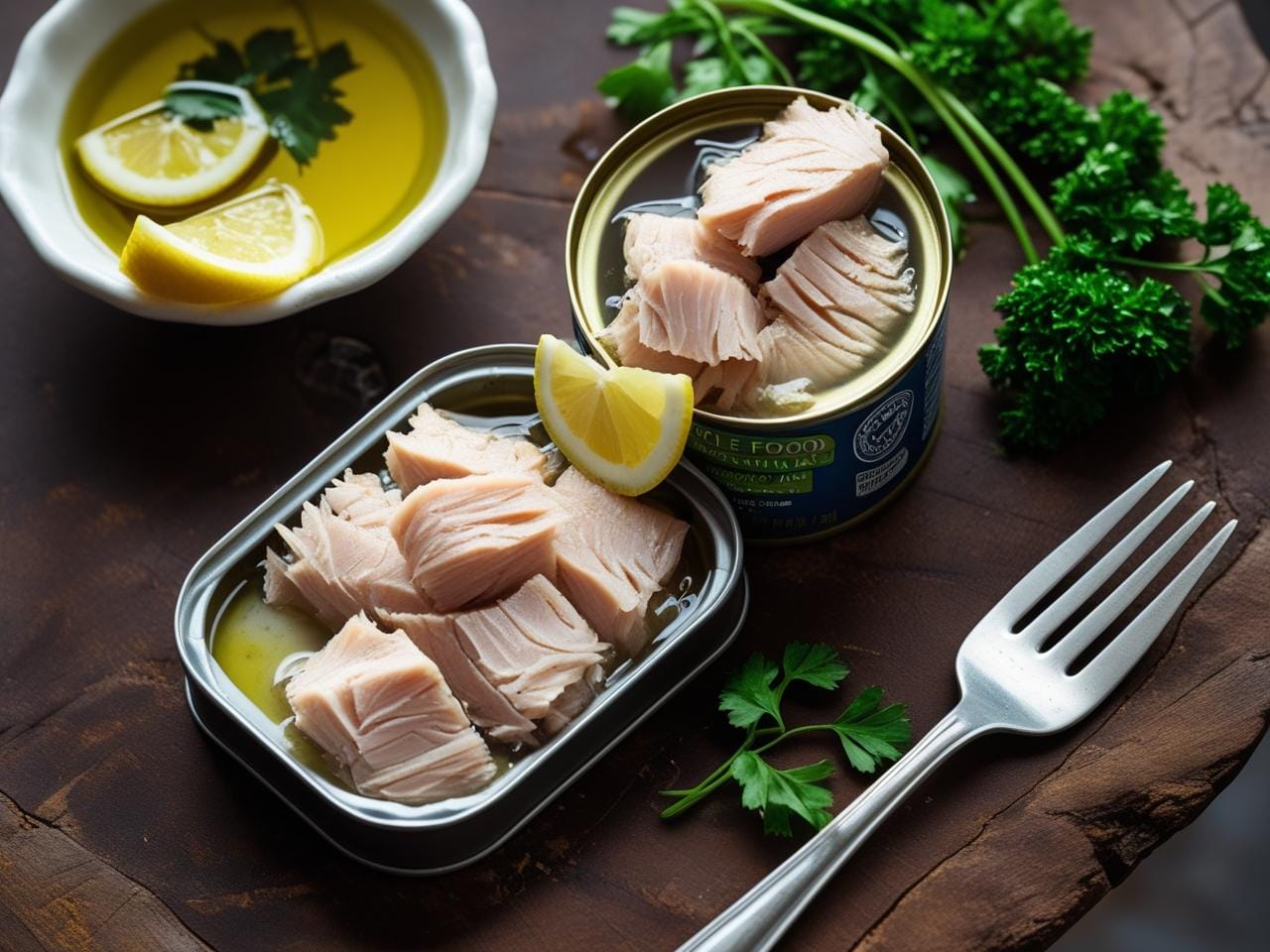
Packed with protein, omega-3s, and clean ingredients, whole food canned tuna is your sustainable choice for healthy, quick meals.
Introduction to Whole Food Canned Tuna
Canned tuna has been a pantry staple for decades, but in recent years the spotlight has shifted toward whole food canned tuna—a cleaner, healthier, and more sustainable alternative to traditional options. Unlike standard canned tuna packed with fillers, artificial additives, or heavily processed oils, whole food canned tuna emphasizes purity, quality, and nutrition.
Whether you’re a fitness enthusiast, a health-conscious shopper, a busy parent seeking quick meal solutions, or a seafood lover craving convenience, whole food canned tuna offers unmatched versatility. With its high protein, omega-3 fatty acids, vitamins, and minerals, it not only supports muscle health, heart function, and brain power but also aligns with modern values of sustainability, ethical sourcing, and clean eating.
In this expert guide, we’ll explore every detail: from nutrition and health benefits to sustainability, buying tips, top brands, safety concerns, and delicious recipe ideas.
What is Whole Food Canned Tuna?
Whole food canned tuna refers to tuna preserved in its purest form, usually packed in water, olive oil, or its natural juices without unnecessary additives. Unlike low-quality canned tuna products that may contain vegetable broth, soy derivatives, artificial flavors, or excessive sodium, whole food options focus on minimalism—just tuna, liquid, and perhaps a pinch of sea salt.
This approach ensures you’re eating real tuna with intact nutrients, closer to fresh fish but with the convenience of a long shelf life. Whole food canned tuna often comes from wild-caught sources, using ethical fishing methods that protect marine life and ocean ecosystems.
Why Choose Whole Food Options Over Regular Canned Tuna?
Cleaner Ingredients – Regular tuna may include hidden additives; whole food canned tuna is pure and simple.
Better Nutrition – No dilution with broths or fillers, which means higher protein and omega-3 content per serving.
Lower Sodium Levels – Many whole food brands keep salt minimal, making it safer for heart health.
Sustainability – Whole food brands often prioritize responsible sourcing.
Taste and Quality – Fresher, firmer texture and natural flavor.
In short, when you choose whole food canned tuna, you’re prioritizing nutrition, sustainability, and flavor without compromising on convenience.
Nutritional Value of Whole Food Canned Tuna
Protein Content and Muscle Health
One of the most compelling reasons to add whole food canned tuna to your diet is its high protein content. A single can (about 5 oz / 142 g) delivers 25–30 grams of lean protein, making it ideal for:
Muscle growth and repair
Post-workout recovery
Satiety for weight management
Supporting metabolic function
Keywords naturally tied in: high-protein fish, lean protein diet, muscle-building tuna, tuna for athletes, protein-rich canned fish, keto tuna meals, low-carb tuna recipes.
Omega-3 Fatty Acids and Heart Benefits
Whole food canned tuna is rich in EPA and DHA omega-3 fatty acids, essential for heart and brain health. Benefits include:
Lowering triglycerides
Reducing risk of heart disease
Supporting cognitive performance
Improving eye health
Balancing mood and mental well-being
Keywords: omega-3 tuna benefits, healthy fats in canned fish, tuna for brain health, heart-healthy seafood, anti-inflammatory fish oils, DHA EPA sources.
Vitamins and Minerals (Vitamin D, Selenium, Iron)
Vitamin D – Supports calcium absorption, bone strength, and immunity.
Selenium – Acts as an antioxidant, protecting cells from damage.
Iron – Boosts oxygen transport, energy, and overall vitality.
B Vitamins (B6, B12, Niacin) – Vital for metabolism and nervous system function.
Keywords: vitamin-rich tuna, mineral-packed seafood, tuna with selenium, vitamin D from canned tuna, iron for energy, immune-boosting fish.
Health Benefits of Whole Food Canned Tuna
Weight Management and Low-Calorie Benefits
Whole food canned tuna is a low-calorie, high-satiety option. A serving averages 120–150 calories, yet is packed with protein. This combination supports:
Appetite control
Weight loss diets
Low-carb and keto lifestyles
Balanced meal prep
Keywords: low-calorie tuna recipes, tuna for weight loss, diet-friendly seafood, healthy canned fish snacks.
Supports Brain and Cognitive Function
The omega-3s and B vitamins in tuna are linked to improved:
Memory retention
Focus and concentration
Reduced risk of cognitive decline
Keywords: brain-boosting tuna, tuna for memory, cognitive health seafood, omega-3 brain support, healthy brain diet fish.
Bone Strength and Immune System Boost
Vitamin D + Calcium synergy for strong bones.
Selenium and zinc fortify immunity.
Iron combats fatigue and supports overall resilience.
Keywords: bone-strengthening seafood, immune-boosting tuna, fish for healthy bones, selenium-rich tuna.
Sustainability and Ethical Sourcing
Wild-Caught vs. Farmed Tuna
Wild-caught: Higher omega-3s, lower contaminants, better taste, eco-friendly.
Farmed: Often linked to overcrowding, antibiotics, lower nutrient density.
Keywords: wild-caught tuna brands, sustainable tuna sourcing, farmed vs wild tuna, eco-friendly canned tuna.
Environmental Impact of Tuna Fishing
Overfishing and destructive practices like longline fishing threaten tuna populations. Whole food brands often use:
Pole-and-line methods
FAD-free (Fish Aggregating Devices-free) practices
Bycatch reduction programs
Keywords: dolphin-safe tuna, ethical seafood, eco-conscious tuna, MSC certified fish.
Certifications to Look For (MSC, Dolphin-Safe, BPA-Free)
MSC (Marine Stewardship Council) – sustainability guarantee.
Dolphin-Safe – ensures no dolphins harmed.
BPA-Free packaging – safer for health.
Keywords: BPA-free canned tuna, sustainable seafood certifications, eco-friendly fish brands.
How to Choose the Best Whole Food Canned Tuna
Label Reading Tips (Ingredients, Sodium Levels, Oils Used)
Look for:
Minimal ingredients (just tuna, water/olive oil, salt)
Low sodium (140 mg or less per serving)
Healthy oils (extra virgin olive oil > soybean oil)
Comparing Albacore vs. Skipjack vs. Yellowfin Tuna
Albacore – White, mild, firm texture, moderate mercury.
Skipjack – Darker, stronger flavor, lowest mercury.
Yellowfin – Light, firm, versatile, higher in omega-3s.
Price vs. Quality Considerations
Higher-quality whole food canned tuna often costs more, but offers better taste, nutrition, and sustainability.
Best Brands of Whole Food Canned Tuna
Top Organic & Sustainable Brands
Wild Planet
Safe Catch
Whole Foods 365
Ocean Naturals
American Tuna
Store vs. Online Options (Amazon, Whole Foods Market)
In-store: Fresh stock, immediate availability.
Online: Bulk deals, subscription savings, access to niche brands.
Creative Ways to Use Whole Food Canned Tuna
Healthy Tuna Salad Recipes
Greek yogurt tuna salad
Mediterranean tuna with olives & lemon
Avocado tuna mash
Canned Tuna in Pasta, Wraps, and Sandwiches
Whole wheat tuna pasta
Tuna and hummus wraps
Classic tuna melt with whole-grain bread
Quick High-Protein Snacks with Canned Tuna
Tuna-stuffed bell peppers
Tuna + rice cakes
Cucumber tuna bites
Safety Concerns & Mercury Levels
How Much Tuna is Safe Per Week?
Skipjack: 2–3 servings weekly safe for adults.
Albacore: 1 serving weekly due to higher mercury.
Mercury Content in Different Tuna Varieties
Skipjack: Lowest
Yellowfin: Moderate
Albacore: Higher
Who Should Limit Tuna Consumption (Pregnant Women, Kids)
Pregnant women and children should prioritize skipjack tuna due to its lower mercury levels.
Whole Food Canned Tuna vs. Fresh Tuna
Nutritional Differences
Fresh tuna is slightly higher in omega-3s, but whole food canned tuna retains most nutrients.
Taste and Texture Comparison
Fresh: softer, delicate
Canned: firmer, convenient, versatile
Shelf Life and Storage Benefits
Canned tuna lasts 2–5 years unopened and remains safe for weeks refrigerated once opened.
FAQs on Whole Food Canned Tuna
Is whole food canned tuna really healthier? Yes, cleaner ingredients and higher nutrient density.
Can I eat canned tuna every day? Best in moderation due to mercury.
What type is lowest in mercury? Skipjack.
Is canned tuna good for weight loss? Absolutely, high-protein and low-calorie.
How to tell if canned tuna is BPA-free? Check packaging label.
What’s the best way to store opened canned tuna? In a glass container, refrigerated, consumed within 2 days.
Conclusion: Why Whole Food Canned Tuna Deserves a Spot in Your Pantry
Whole food canned tuna is more than just a convenient protein—it’s a nutritional powerhouse, a sustainable choice, and a versatile ingredient that belongs in every pantry. From fueling workouts to supporting heart and brain health, from easy meal prep to eco-conscious eating, it checks every box.
Whether you’re mixing it into a salad, tossing it with pasta, or enjoying it straight from the can, choosing whole food canned tuna ensures you’re eating clean, supporting ethical fishing, and nourishing your body the right way.